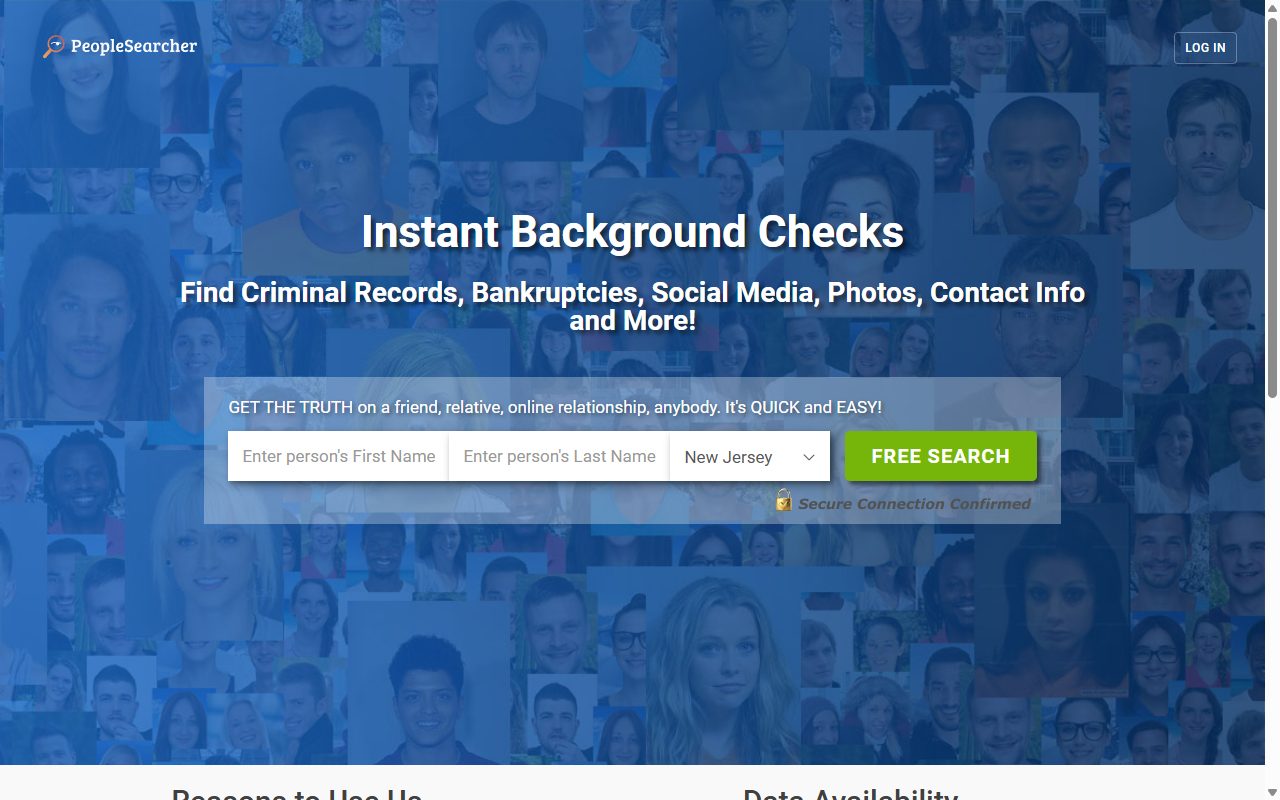
PublicSearcher sells person reports built from public-records data - names, addresses, phones, marriage and criminal records - behind one of the most opaque storefronts in the people-search aisle. The site names no company, no address, and no principals anywhere a research tool can read; every page, the privacy policy included, renders as an empty JavaScript shell. What the storefront withholds, the paperwork supplies - Infomatics LLC lists publicsearcher.com on its California data-broker registration, alongside privatereports.com and mugshotlook.com. The rest of what's known about the site comes from a security researcher's look inside its backend.
In August 2024, security researcher JayeLTee found an exposed, passwordless backend server holding 2.3 million customer accounts - plaintext credit-card details included - plus people-search records on 100+ million Americans with addresses, partial SSNs, criminal records, and relatives. Every user record carried a brand ID mapping to one of 15 websites, publicsearcher.com among them, and the admin accounts used @mc2data.com email addresses. Cybernews independently reported the same operator's exposure at 2.2TB and 106,316,633 records. One attribution note matters here. Cybernews's own reporting names only five MC2 brands, and publicsearcher.com isn't one of them - the 15-brand list that includes this site comes from JayeLTee's primary post and DataBreaches.net's follow-up coverage.
Then the timeline gets strange. MC2 Data, LLC filed its withdrawal from the Florida corporate registry on October 4, 2024, weeks after the leak went public, and its BBB profile now flags the company as out of business. The site never skipped a beat - the domain was renewed through July 2027 and still serves its app in August 2026. No page on the site names a company, but Infomatics LLC's current California data-broker registration lists publicsearcher.com, so that filing is where an operator identifies itself today. No corporate record ties the brand to MC2 Data directly, and none explains how the domain moved from one to the other - what links them is the leaked backend itself.