













Broker profile

Ancestry

One of the largest subscription genealogy and DNA testing services, founded in 1996 and operating as Ancestry.com LLC out of Draper, Utah. Unlike the free people-search brokers in this directory, the data sits inside paid accounts rather than public profiles, and it covers DNA samples, family-tree records, and historical-record links. Majority-owned by Blackstone (~75%) since its December 2020 buyout, with Singapore's GIC holding ~25%. Self-claimed scale: 3+ million paying subscribers and 27+ million DNA samples processed. Courts have dismissed the Illinois GIPA class action over the Blackstone buyout and the yearbook-photo right-of-publicity suits in California and Nevada, though new filings on both theories continue.

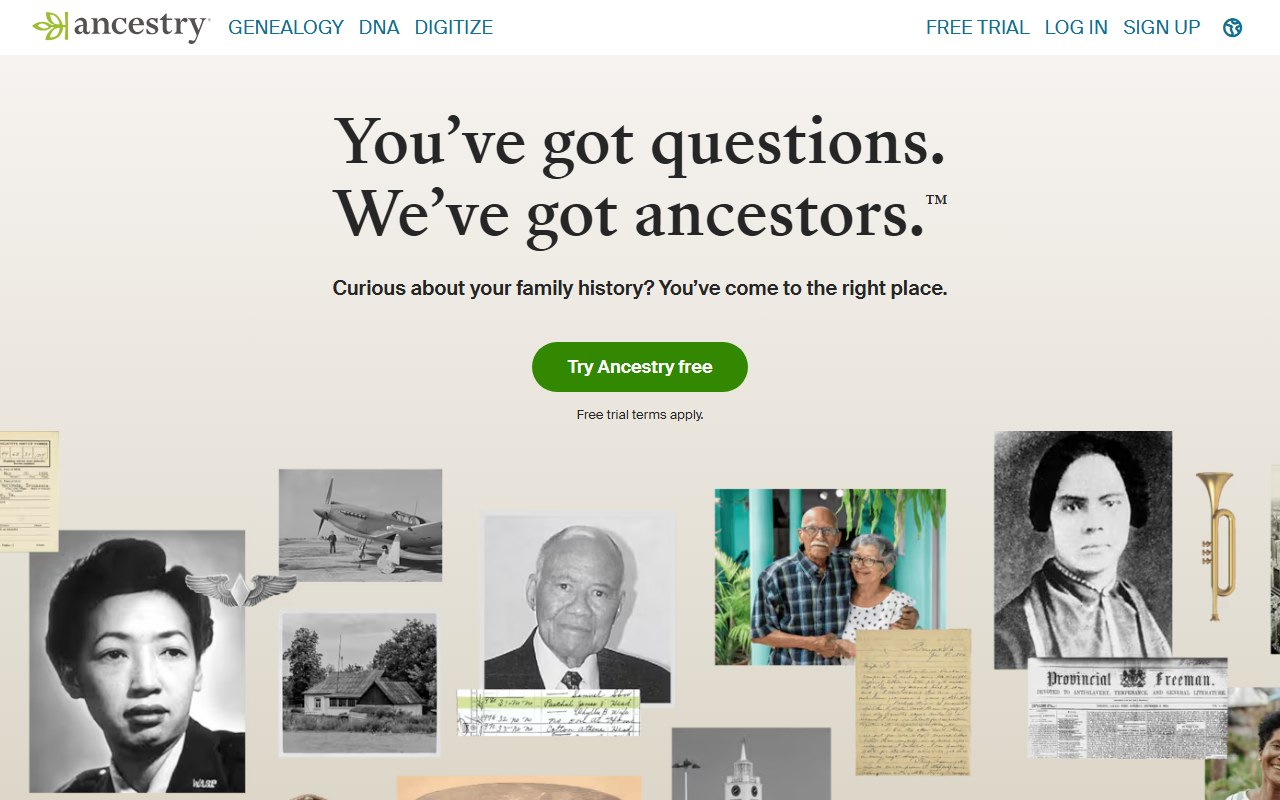
Ancestry homepage screenshot

Ancestry overview

At a glance

Quick facts
Privacy Risk
LimitedModerateSubstantialExtensive
Data published
Substantial
Re-listing frequency
Occasional
Complaint record
Pattern of complaints
Opt-out friction
Moderate
Operator opacity
Fully disclosed
Prior data incidents
Confirmed breach

Each broker is scored 1 to 4 across the six dimensions above; higher means more exposure, and the overall gauge is their average.

A confirmed prior data leak holds the overall rating at Substantial or higher; a major or repeat breach forces Extensive, regardless of the other five dimensions.

What each dimension means
  • Data published: how much and how sensitive the personal data they put out.
  • Re-listing frequency: how quickly you reappear after opting out.
  • Complaint record: the volume and pattern of complaints across BBB, Trustpilot, and Sitejabber. No listing, or a listing with no reviews, counts against the broker.
  • Opt-out friction: how hard the removal process is to complete.
  • Operator opacity: how hidden the operating company and its principals are.
  • Prior data incidents: history of breaches or leaks of the data they hold.
Category

Genealogy + DNA testing

Operating entity

Ancestry.com LLC

Founded

1996

President & CEO

Howard Hochhauser

Headquarters

42 Future Way, Suite 400, Draper, UT 84020

Parent

Blackstone (~75%) + GIC (~25%)

Subscribers (self-claimed)

3+ million paying

DNA samples processed

27+ million

FCRA covered?

No

Background

Background

Company history

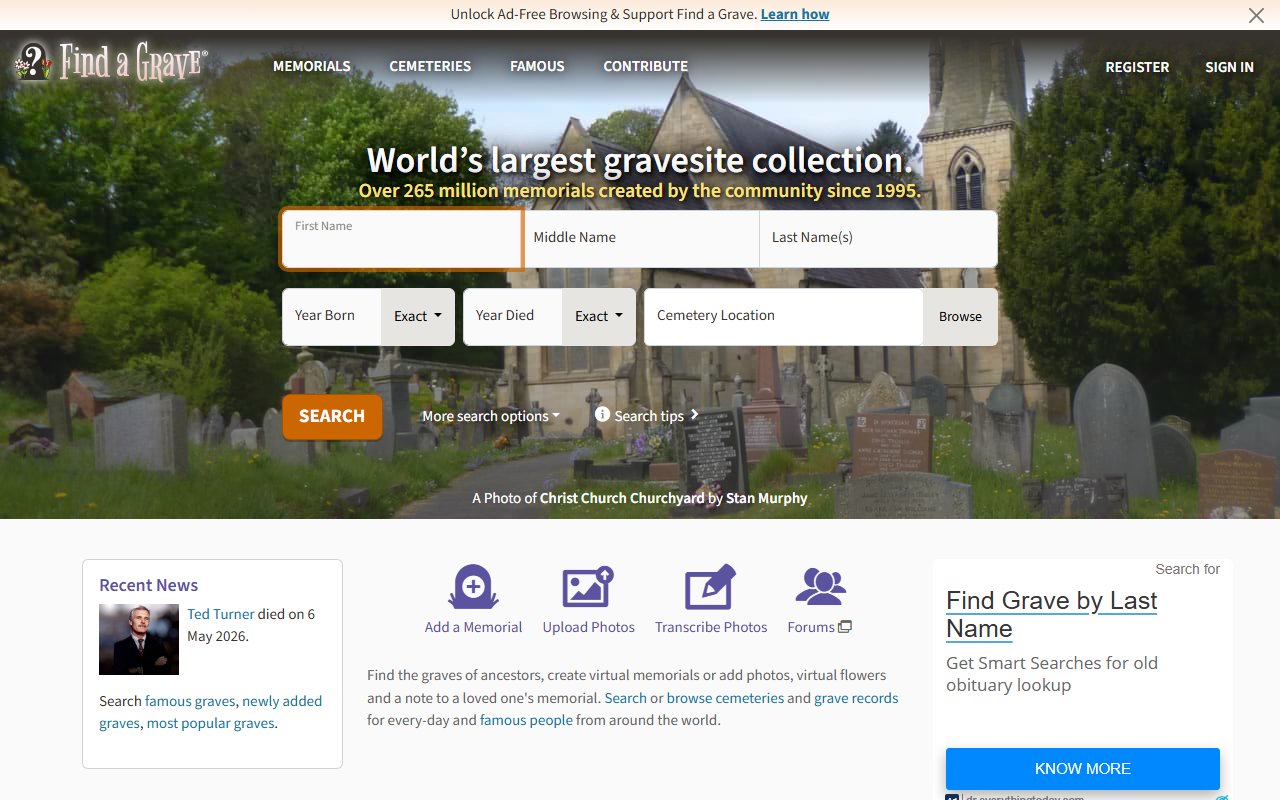
Ancestry started in 1996 as Ancestry Publishing in Utah, building digital archives of historical genealogical records (US Census, Social Security Death Index, ship-passenger lists, military records, newspaper archives). Over the next two decades it became the dominant US genealogy platform and then expanded into consumer DNA testing with AncestryDNA in 2012. Today the company runs a paid subscription service (Ancestry.com), the AncestryDNA test product, and a family-tree-building toolkit, with related-site holdings across Newspapers.com, Fold3 (military records), Find a Grave, and the largely-retired RootsWeb.

Founded

1996

AncestryDNA launched

2012

First take-private

2012 ($1.6B)

Silver Lake / GIC stake

2016 ($2.6B)

Blackstone acquisition

Dec 2020 ($4.7B)

Operating entity

Ancestry.com LLC

The corporate ownership history reads like a private-equity relay. Permira and Spectrum Equity took Ancestry private in 2012 for $1.6 billion; Silver Lake Partners and Singapore's GIC sovereign wealth fund bought minority stakes at a $2.6 billion valuation in 2016; and in December 2020 Blackstone acquired the company for $4.7 billion enterprise value, with GIC retaining a minority stake. The current ownership split is roughly 75% Blackstone, 25% GIC.

The Blackstone acquisition raised privacy alarms specific to the DNA-test product line - what happens to the accumulated 27+ million genetic samples when the operating company changes ownership? Plaintiffs in Bridges v. Blackstone argued the all-stock acquisition itself constituted a non-consensual "disclosure" of genetic information under the Illinois Genetic Information Privacy Act (GIPA). The Seventh Circuit affirmed dismissal of that case in May 2023, calling the complaint "bare bones," but the ruling explicitly didn't foreclose better-pled GIPA cases - and per Kirkland & Ellis, new GIPA filings have flooded Illinois courts in the wake of the Bridges decision.

Ancestry isn't really a "data broker" in the people-search sense. The other brokers in this directory publish public-facing profiles you can find by searching a name; Ancestry is a paid subscription service where the data sits inside your account and isn't broadly indexed by search engines. The privacy concerns are still real - genetic-information retention, family-tree links across generations, law-enforcement access under warrants - but they're a different shape than the public publication concern with the free people-search brokers. Treat this profile as documenting a different category of consumer-privacy risk.

Data Published

Data types

In-account, not publicly indexed
  • DNA samples (saliva tubes) and the genetic sequencing results derived from them

  • Ethnicity estimates and migration-pattern inferences derived from DNA

  • DNA-matching network: which other AncestryDNA users you share genetic markers with, and the strength of that match

  • Family-tree data you build inside the product (names, dates, places, relationships, photos, source citations)

  • Historical record links you save (census, military, immigration, vital-statistics, newspaper archives, yearbook photos)

  • Account profile data (name, email, address, payment info, account preferences)

  • Usage data (what records you view, what searches you run, how long you spend in different product areas)

  • Communications with other users (private messages on the platform)

Where the data lives: Ancestry's primary data is held inside your paid account - it's not publicly searchable on the open web the way a Whitepages or FastPeopleSearch profile is. Other AncestryDNA users may see you as a DNA match (if you opt in to matching) with the name you set on your profile. The historical-record attribution feature (which displays yearbook photos and old census records by name) is the main exception - that surface drove the wave of Callahan / Sessa-style right-of-publicity class actions.

Deleting DNA results alone keeps the saliva sample. Ancestry's privacy statement says the physical sample is destroyed when you delete your whole account or when you ask Member Services to destroy it; deleting just the digital DNA results in DNA settings leaves the sample in the lab. See the removal guide for which track covers what.

Contact

Contacts & links

Ancestry.com LLC
Operating entity

Ancestry.com LLC

Headquarters

42 Future Way, Suite 400 Draper, UT 84020 · per Ancestry's official corporate contact page; legacy listings still show 1300 W Traverse Pkwy, Lehi, UT 84043

Customer support

Routed through Ancestry's Contact Us page (chat + phone callback for paying subscribers)

DNA settings (delete results / revoke consent)
Parent companies

Blackstone Inc. (NYSE: BX, ~75% owner) · GIC (Singapore sovereign wealth fund, ~25% owner)

Network

Sister brands

Subsidiaries + investors

Ancestry owns several related genealogy / historical-record products under its umbrella. An All Access membership bundles Fold3 and Newspapers.com with Ancestry, but each site can also hold a separate account of its own, and all of them sit under the same privacy statement.

Parent stack:

One sibling in this directory

Archives.com has been an Ancestry brand since 2012 and runs on the same privacy framework, but it keeps its own accounts and its own living-person opt-out form. An Ancestry deletion doesn't reach it, so file there separately.

The parent-stack note matters for privacy purposes because ownership changes at the corporate level have historically been the trigger for genetic-data-privacy concerns (see Bridges v. Blackstone in the litigation section below). The Blackstone investment thesis around Ancestry includes cross-selling the genealogy data product into other consumer subscription verticals - that potential cross-use is what the GIPA litigation has been probing.

Owned or operated by Ancestry.com LLC4 entities in this network · Blackstone + GIC (PE + sovereign fund) at the topExplore the full map

Reputation

Trust signals

Mixed across platforms

As a paid subscription product, Ancestry collects much richer third-party review data than the free people-search brokers in this directory. Reviews skew strongly bimodal - genealogy enthusiasts and DNA-test customers rate the product high, while a smaller but vocal segment reports billing disputes, sample-handling concerns, and frustration with the depth of opt-out / deletion options. The litigation patterns documented in the litigation section below give the clearest signal on the systemic privacy concerns.

Trustpilotancestry.com3.1 / 5As of 2026-05View reviews ↗
Better Business BureauAncestry.com (Draper, UT)UncheckedAs of 2026-05View profile ↗
SmartCustomer (formerly Sitejabber)ancestry.com1.6 / 5As of 2026-05View reviews ↗
  • Difficulty cancelling subscriptions; auto-renewal billing disputes

  • Concern over physical DNA sample retention even after account deletion

  • Yearbook photos surfacing without subject consent (the basis of the Callahan / Sessa cases)

  • Family-tree links to relatives who never consented to be in the database

  • Law-enforcement access to genetic data via warrant (high-profile cases in true-crime reporting)

Common complaint themes (across platforms):

Litigation

Litigation history

GIPA and yearbook suits · 2017 RootsWeb leak

Bridges v. Blackstone Inc. (GIPA)

Parent-company litigation
Court

U.S. Court of Appeals, 7th Cir.

Case no.

22-2486

Filed

Jul 2021

Decision

May 2023 dismissal affirmed

Statute

Illinois Genetic Information Privacy Act (GIPA) §30

Author

Judge Michael Scudder Jr.

Notable language

"Bare bones" complaint

Putative class action arguing that Blackstone's December 2020 all-stock acquisition of Ancestry constituted a compulsory disclosure of plaintiffs' genetic information in violation of GIPA §30. The Seventh Circuit affirmed the district court's dismissal, holding that "a run-of-the-mill corporate acquisition, without more alleged about that transaction, does not result in a compulsory disclosure of genetic information." The ruling didn't foreclose better-pled GIPA cases - new filings have flooded Illinois courts since.

Sources: Fenwick analysis · PrivacyWorld analysis

Callahan v. Ancestry.com Inc. (yearbook photos · CA)

Dismissed
Court

N.D. Cal.

Case no.

3:20-cv-08437

Filed

Nov 30, 2020

Plaintiffs

Meredith Callahan, Lawrence Geoffrey Abraham

Statute

California right of publicity

9th Cir. appeal

21-16161

Putative class alleging Ancestry violated California's right-of-publicity statute by including yearbook photos in its public database and in promotional emails. The district court dismissed on Communications Decency Act §230 grounds (Ancestry as a republisher of third-party content); the Ninth Circuit affirmed.

Sources: CourtListener docket · Eric Goldman blog analysis

Sessa v. Ancestry.com Operations Inc. (yearbook photos · NV)

Dismissed
Court

D. Nev.

Case no.

2:20-cv-02292

Statute

Nevada right of publicity

Sept 2021

Motion to dismiss granted in part, denied in part

Jan 17, 2024

Dismissed without prejudice, no personal jurisdiction

Companion case to Callahan, in Nevada. Plaintiffs alleged Ancestry used their names, images, and likenesses (from yearbook photos) to market paid subscriptions. In September 2021 the court let the Nevada right-of-publicity claims proceed, holding that the alleged misuse was a concrete injury under Article III, which kept yearbook-photo litigation alive after the Callahan §230 dismissal. On reconsideration in January 2024, after the Ninth Circuit's Briskin v. Shopify decision, Judge Navarro dismissed the case without prejudice for lack of personal jurisdiction, finding that a nationwide website's data practices weren't aimed at Nevada in particular.

Sources: 2021 FindLaw opinion · 2024 FindLaw opinion · Eric Goldman blog analysis

2017 RootsWeb credential exposure

Confirmed incident

RootsWeb, an Ancestry property · disclosed Dec 2017

Scope

About 300,000 RootsWeb usernames, emails and plaintext passwords

Overlap with Ancestry accounts

About 55,000, per Ancestry, which locked and notified them

Who was exposed

RootsWeb and Ancestry account holders, not people in records

A file of roughly 300,000 RootsWeb email addresses, usernames and passwords, stored in plain text, sat exposed on a RootsWeb server until Troy Hunt of HaveIBeenPwned reported it to Ancestry on December 20, 2017. Ancestry's security chief said about 55,000 of the pairs matched credentials also used on an Ancestry site, mostly free-trial or dormant accounts; the company locked those accounts, notified their owners and took parts of RootsWeb offline while it rebuilt the service. No payment or DNA data was involved.

Sources: Threatpost · The Legal Genealogist, quoting Ancestry's statement

Active litigation patterns to watch:

  • Yearbook-photo right-of-publicity wave - new state-specific filings continue beyond Callahan and Sessa. The Section 230 defense varies by jurisdiction and by how plaintiffs characterize Ancestry's use.
  • Illinois GIPA wave - per Kirkland & Ellis Oct 2023 analysis, new GIPA filings continue to flood Illinois courts after the Bridges dismissal. The ones that allege specific transactional or operational disclosure (rather than mere stock-purchase ownership change) have better odds of surviving dismissal.
  • Minors-arbitration dispute - Ancestry has sought orders compelling minor plaintiffs to arbitrate GIPA claims, with mixed success across courts. The enforceability of arbitration clauses against minors is the underlying question.

FAQ

Q & A

Common questions
Is Ancestry a data broker?

Not in the people-search sense, but Ancestry handles sensitive consumer data at scale. It is a paid subscription genealogy and DNA testing service, not a free public people-search site. The privacy concern is the DNA samples, family-tree data, and historical-record links held inside paid accounts (with yearbook photos being the main publicly-indexed surface), plus law-enforcement access via warrants.

Who owns Ancestry?

Ancestry.com LLC is majority-owned by Blackstone Inc. (NYSE: BX) at roughly 75 percent, with Singapore sovereign wealth fund GIC retaining about 25 percent. Blackstone acquired the company in December 2020 for $4.7 billion. Founded in 1996 and now headquartered at 42 Future Way, Suite 400, Draper, UT 84020. Howard Hochhauser became President and CEO effective February 1, 2025, succeeding Deborah Liu (Mar 2021 - Jan 2025), who stepped down following a breast cancer diagnosis.

What information does Ancestry publish?

Ancestry stores DNA samples (saliva tubes) and the sequencing results, ethnicity estimates and migration inferences, DNA-matching networks, family-tree data (names, dates, places, relationships, photos), historical record links (census, military, immigration, vital statistics, newspaper archives, yearbook photos), account profile data, usage data, and private user-to-user messages. The data lives inside paid accounts, not on the open web.

Can I remove myself from Ancestry?

Yes, via three separate tracks. Account deletion is at ancestry.com/secure/account/delete (requires sign-in; 30-day completion). DNA results deletion and consent revocation is a separate flow at ancestry.com/dna/settings. Deleting the whole account also destroys the physical DNA sample, per Ancestry's privacy statement; if you delete only the DNA results and keep the account, the sample stays unless you ask Member Services to destroy it. See our Ancestry removal guide for step-by-step instructions.

How long does Ancestry take to remove information?

Account deletion completes within 30 days per Ancestry's own delete-page disclosure. DNA results deletion runs on the same clock: the privacy statement says all genetic information leaves Ancestry's production, development, analytics and research systems within 30 days. The physical sample goes with the account deletion; if you keep the account and ask Member Services to destroy it instead, Ancestry publishes no timeline for that.

Is Ancestry covered by FCRA?

No. Ancestry is not a Consumer Reporting Agency under FCRA. The relevant litigation has been Illinois Genetic Information Privacy Act (GIPA) cases like Bridges v. Blackstone (dismissed by the Seventh Circuit in May 2023) and California / Nevada right-of-publicity suits over yearbook photos (Callahan, Sessa). New GIPA filings continue to flood Illinois courts post-Bridges.

Take yourself off data broker sites

Redact scans 120+ data broker sites from your device, finds where your details are listed, and submits the removal requests for you. If a broker relists you, it files again.

Last updated:

May 22, 2026