Instagram Password Reset Emails – 17.5 Million Instagram Accounts Exposed
 Dan Saltman5 min read
On this page
If you’ve received a surprise password reset email from Instagram recently, you’re not alone. A major data leak exposed the personal information of around 17.5 million Instagram users back in 2024, and that data is now circulating on dark web forums.
This isn’t just usernames. The exposed data includes email addresses, phone numbers, and in some cases physical location information (how to turn off location on Instagram). That’s more than enough for scammers to launch targeted phishing attacks, fake support messages, and account takeover attempts.
What Actually Happened
Cybersecurity researchers confirmed that the data was harvested in late 2024 through an API leak, which allowed attackers to scrape millions of public profiles without being blocked. The dataset was then listed for sale by threat actors on hacking forums and quickly verified as real.
Shortly after, users around the world began receiving waves of Instagram password reset emails. These weren’t random. Hackers were using the leaked email addresses to trigger reset requests and see which accounts were active and vulnerable.
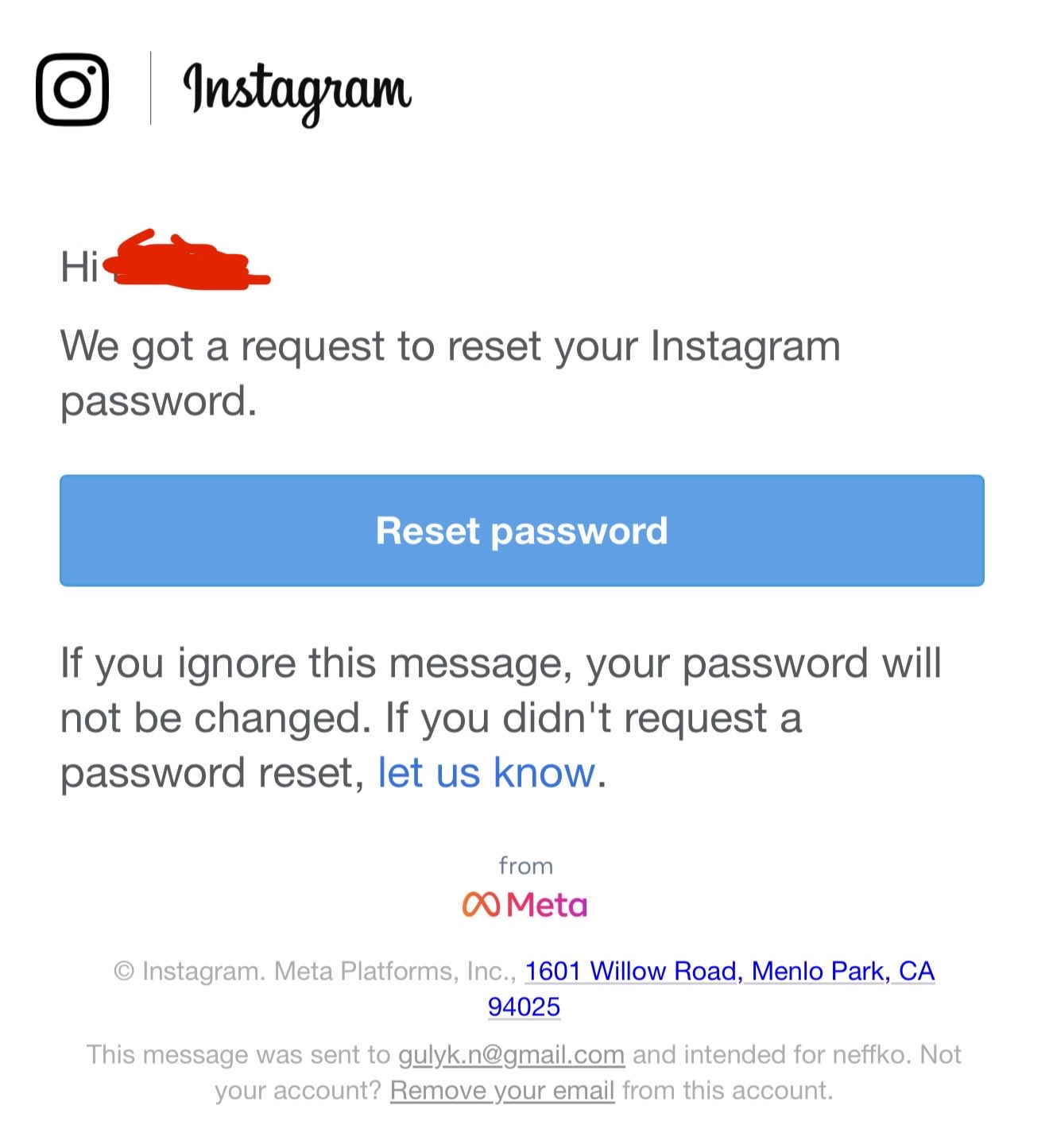
Shortly after this story gained traction due to a viral TikTok, Instagram posted an announcement on X, claiming they “fixed” it.
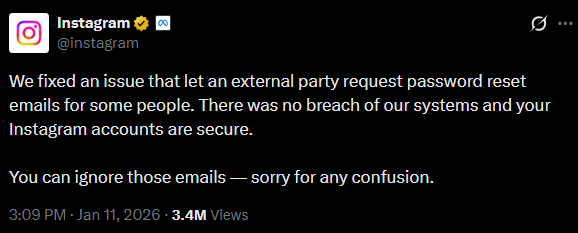
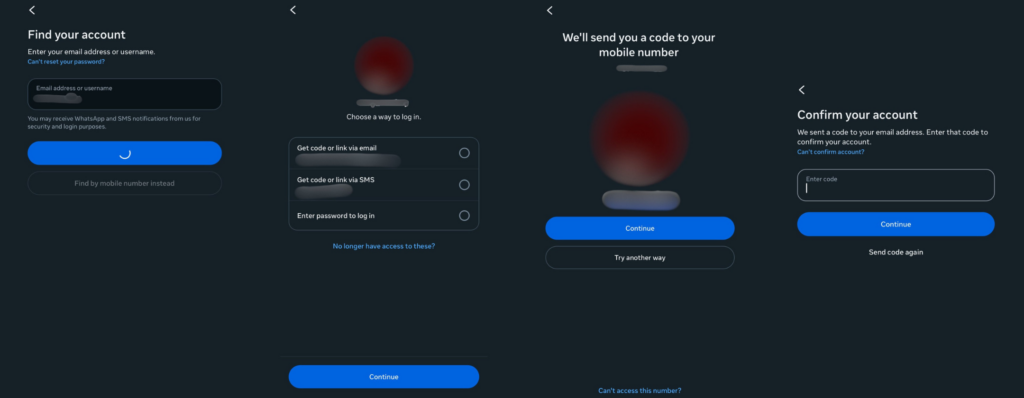
24 hours after this was announced, we tested the “fix” and found no change. Our team was still able to trigger password reset emails and texts for an account, based only on its username.
Instagram also said “There was no breach of our systems.” Recently true, but the password reset emails are being sent off the back of a 2024 leak that hit over 17M accounts.
Why This Is Dangerous
Even though passwords weren’t directly leaked, the combination of email and phone number is extremely powerful.
Attackers can do a lot with it.
- Pretend to be Instagram support
- Send highly convincing phishing messages
- Attempt SIM swapping to bypass two-factor authentication
- Trick users into handing over login codes
Security experts have warned that this breach is already being actively exploited.
What You Should Do Right Now
You don’t need to panic, but you do need to act.
1. Change your Instagram password manually
Open the app or website yourself. Don’t click links in emails.
2. Enable two-factor authentication using an app
Use an authenticator app rather than SMS. SMS can be intercepted.
3. Check your login activity
Look for devices or locations you don’t recognize.
4. Ignore unexpected password reset emails
If you didn’t request it, don’t click it. Log in directly instead.
5. Update your recovery email and phone number
Make sure they’re secure and up to date.
How Redact Can Help You Clean Up Your Instagram
This event is a reminder that breaches and leaks may have no immediate consequence. It could take years, decades, or longer before a bad actor leverages exposed data in a way that actually impacts you. And social sites aren’t really “private” or “secure” in any sense. Your private messages, posts, comments, likes, and any other activity could quickly become liabilities in the future.
Redact helps you delete Instagram posts, reels, and messages in bulk, so you can take control of your profile and reduce what’s publicly visible. Privacy, professionalism, or just wanting less of yourself online, whatever the motivation, Redact gets it done without hours of manual work.
This isn’t about this specific leak. It’s about being in control of what exists under your name online.
Final Thought
Data leaks are becoming routine. Their impact may not be realized for years after they occur. Account attacks are becoming smarter and more convincing. The best defense is a proactive one. Reducing the size of your digital footprint makes you a harder target, alongside app-based multi-factor authentication, a password manager, and breach alert services like HaveIBeenPwned.
Secure your account. Clean up your history. Stay in control.