Broker profile
Ohio Resident Database
- Anonymous operator
- Redact finds listings · manual opt-out
A people-and-address directory built from Ohio voter-registration rolls, covering names, home addresses, birth years, gender, ethnicity codes, party affiliation, and household context, published free and searchable by anyone. The operator is anonymous - no company name, no address, no contact email anywhere on the site - and the business model is funneling visitors into paid background checks at Persopo.com. One of three sibling shells with North Carolina and Michigan.
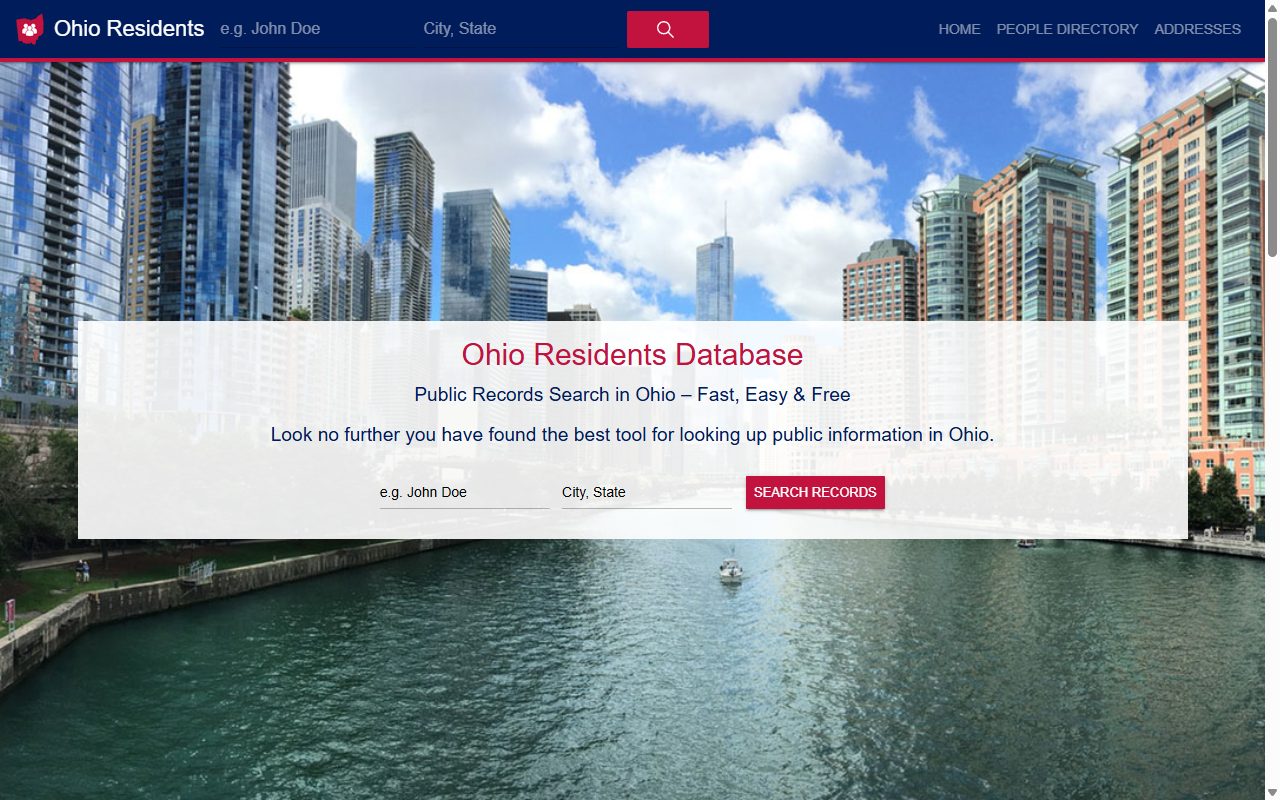
Ohio Resident Database overview
At a glance


- Data published
- Substantial
- Re-listing frequency
- Aggressive
- Complaint record
- No public record
- Opt-out friction
- Minimal
- Operator opacity
- Hidden
- Prior data incidents
- None documented
Each broker is scored 1 to 4 across the six dimensions above; higher means more exposure, and the overall gauge is their average.
What each dimension means
- Data published: how much and how sensitive the personal data they put out.
- Re-listing frequency: how quickly you reappear after opting out.
- Complaint record: the volume and pattern of complaints across BBB, Trustpilot, and Sitejabber. No listing, or a listing with no reviews, counts against the broker.
- Opt-out friction: how hard the removal process is to complete.
- Operator opacity: how hidden the operating company and its principals are.
- Prior data incidents: history of breaches or leaks of the data they hold.
- Category
Voter-roll people directory · address lookup
- Operating entity
Not disclosed · anonymous operator
- Data source
Ohio voter-registration records (its own FAQ)
- Network
3 state shells · NC, OH, MI · registered 2018
- Monetization
Affiliate funnel into Persopo.com background checks
- Opt-out
ohioresidentdatabase.com/opt-out · 24-48h
- State registries
Not registered in California or Vermont
- FCRA covered?
No · self-declared not a consumer reporting agency
Background
Background


OhioResidentDatabase.com is your voter registration, turned into a people-search page. Its own FAQ says the data is "gathered from public voter registration records that anyone can request from the Ohio election authorities." A profile can show your full name, home address, birth year and state, gender, ethnicity code, party affiliation, registration status, phone number where available, and your "household context and nearby neighbors" - plus algorithmic guesses at salary and net worth that the network's own policy concedes are "only guesses."
Who runs it is a genuine unknown. The copyright line reads "© 2026 ohioresidentdatabase.com" and nothing more - no entity, no mailing address, no support email. The domain sits behind WHOIS privacy and Cloudflare, and the operator has never registered in California's or Vermont's data-broker registries. What the shells do disclose is the business model. Search results steer visitors toward Persopo.com, a paid background-check service, via affiliate links.
The page you're reading covers one of three near-identical state shells - North Carolina, Ohio, and Michigan - registered within four months of each other in 2018, with verbatim-identical privacy policies that swap only the state name. A newer "<state>ResidentDirectory.com" wave (Florida, Connecticut, Ohio, Colorado) follows the same playbook, though common ownership of that branch isn't proven.
This site isn't the government. Despite the official-sounding name, OhioResidentDatabase.com is a private website with, in its own words, "no affiliation with the State of Ohio." Removing yourself from this site doesn't touch your underlying voter registration - and updating your voter registration doesn't reliably remove you here either, since the site re-ingests the rolls on its own schedule.
Data Published
Data types


Sensitive: elevated identity-theft, doxxing, or safety riskStandard public-record field
- Full names of registered voters
- Residential addressesSensitive
- Birth year and birth stateSensitive
- Gender and ethnicity codesSensitive
- Party affiliation and registration statusSensitive
- Phone numbers, where available
- Household context and nearby neighborsSensitive
- Algorithmic "estimated salary and net worth" guesses
Ballot choices are never included - voter files record registration, not votes. But the combination of home address, birth year, and party affiliation under your full name is plenty for doxxing, and it's published free with no paywall in the way.
Contact
Contacts & links


- Operating entity
Not disclosed · copyright line reads "© ohioresidentdatabase.com"
- Mailing address
None published
- Support email
None published
- Domain registered
2018 · WHOIS privacy-proxied (Squarespace Domains)
The opt-out form is the only channel. With no email, phone, or address, there's no escalation path on this site - if the form fails, the fallbacks are your state election authorities (for the underlying record) and the FTC's complaint portal.
Network
Sister brands


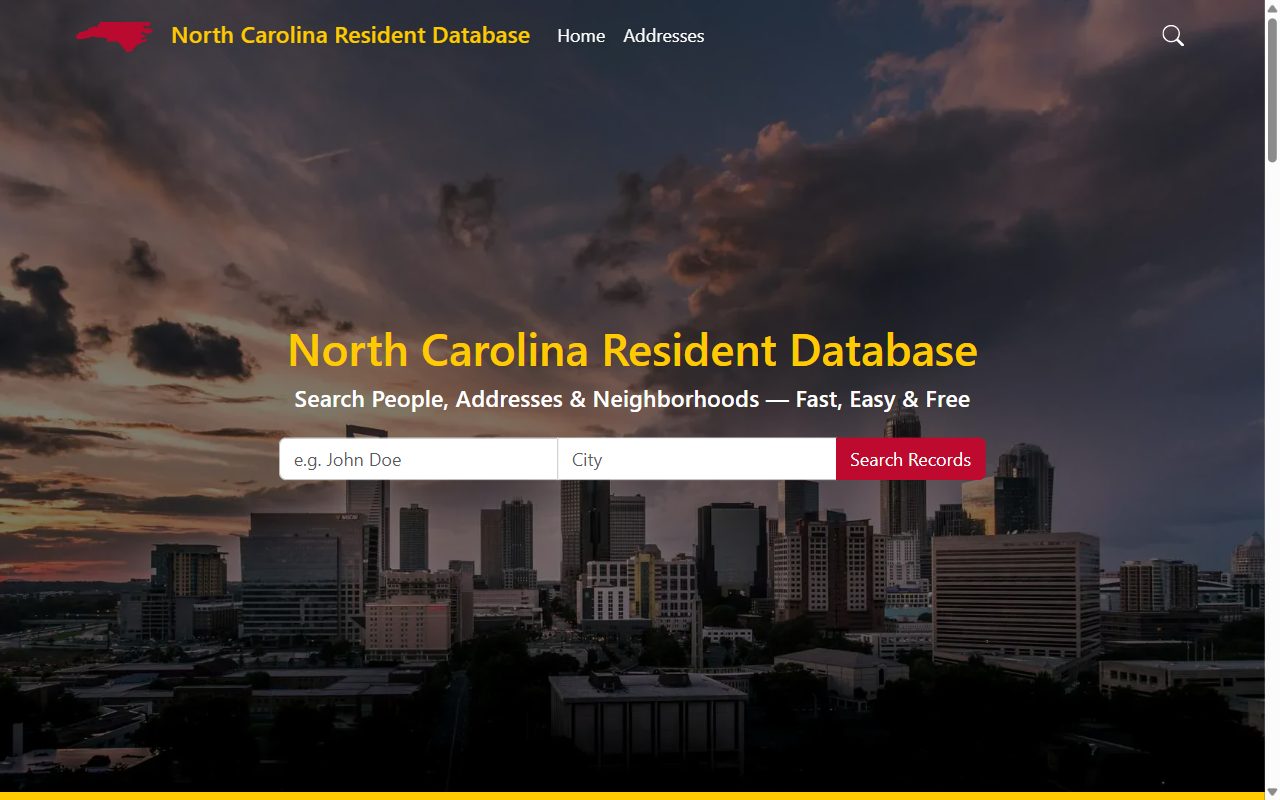
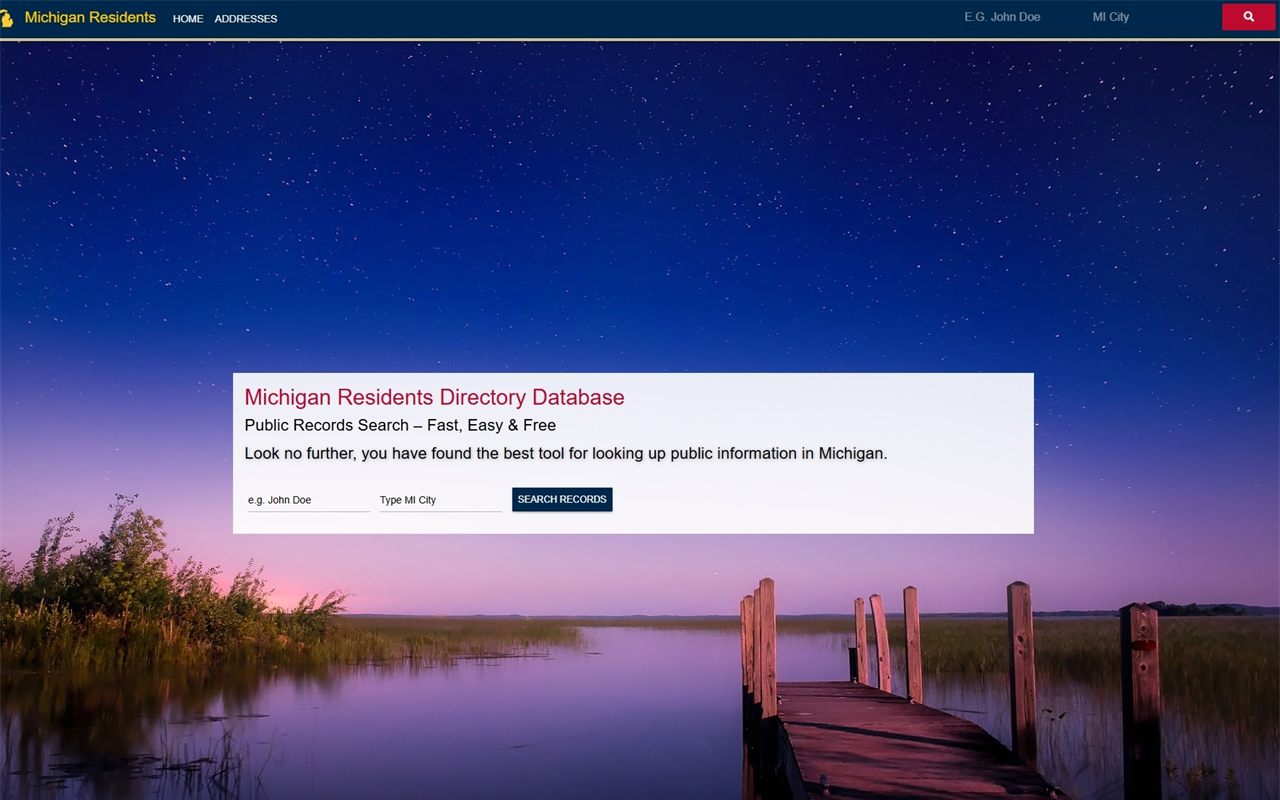
The network runs identical shells for North Carolina and Michigan - same template, same verbatim policy text, same anonymous operator. Their search results funnel into Persopo.com, the paid background-check service the network earns from.
Each state shell needs its own opt-out. Removing yourself from one does nothing on the siblings - if you've lived in more than one of these states, run each site's form.
Reputation
Trust signals


There's nothing to review. No Trustpilot page, no BBB profile, no Sitejabber listing exists for any shell in the network - consistent with a site that has no customers, only data subjects. The only third-party coverage is the removal industry's opt-out guides (Optery, Incogni, DeleteMe), which uniformly warn that records reappear after the site refreshes its voter-roll data.
Litigation
Litigation history


No lawsuit, FTC action, or state-AG action names this site or its operator - there's no named operator to sue. That absence is a finding about the operator's anonymity, not a clean bill of health.
We haven't found any litigation, FTC enforcement, or state Attorney General action involving this network as of the last-updated date below. The operator has also never registered in California's or Vermont's data-broker registries, which means California's DROP one-click deletion platform can't reach it - the site's own opt-out form is the only working removal channel.
FAQ
Q & A


Is OhioResidentDatabase.com a government website?
No. Its own privacy policy states it has "no affiliation with the State of Ohio." It's a private, anonymously operated website republishing the state's voter-registration file with paid background-check upsells attached.
Who owns OhioResidentDatabase.com?
Nobody knows - and that's the finding. The site names no company, publishes no address or email, hides its domain registration behind a privacy proxy, and has never registered as a data broker in any state. The only business trace is its affiliate relationship with Persopo.com, whose paid reports its search results funnel into.
How did OhioResidentDatabase.com get my information?
From the state. Ohio voter-registration records are public information that anyone can request from the state's election authorities, and this site ingests those rolls wholesale - including your name, address, birth year, and party affiliation.
How do I remove my information from OhioResidentDatabase.com?
Use the form at ohioresidentdatabase.com/opt-out. Find your listing via the homepage search, copy its URL, paste it into the opt-out form, complete the CAPTCHA and the follow-up form with your name and email, and submit. Removal typically lands within 24-48 hours, with no ID upload required. Expect to repeat it - the site re-ingests voter rolls, and refreshed data commonly restores listings. Our removal guide has the full walkthrough.
Will removing my record here keep me off the sibling sites?
No. NorthCarolinaResidentDatabase.com and MichiganResidentDatabase.com run separate databases with separate opt-out forms, even though they're the same operation. Each must be done individually.
Take yourself off data broker sites
Redact scans data broker sites from your device, finds where your details are listed, and submits the removal requests for you. If a broker relists you, it files again.
August 4, 2026