How to Delete All Posts on a Facebook Page
 Dan Saltman7 min read
On this page
Managing a Facebook Page involves more than just creating content. It also includes reviewing, editing, and sometimes deleting old posts. Whether you’re cleaning up outdated promotions, removing old branding, or addressing accidental posts, knowing how to delete Facebook Page content is essential.
In this guide, we’ll walk through the steps to delete posts directly on your Facebook Page using Facebook’s built-in tools.
Why Should You Delete Page Posts
Before jumping into the how-to, here are a few common reasons people remove Facebook Page content:
- Outdated announcements or expired offers
- Posts with incorrect information
- Rebranding efforts or content audits
- Removing low-performing or off-brand material
Additionally, old Facebook posts may contain sensitive information about previous team members, company locations, executive hires. Minimizing the amount of this information by deleting it after a period of time helps businesses stay secure, protecting the privacy of the company and its’ employees.
How to Delete Facebook Page Posts
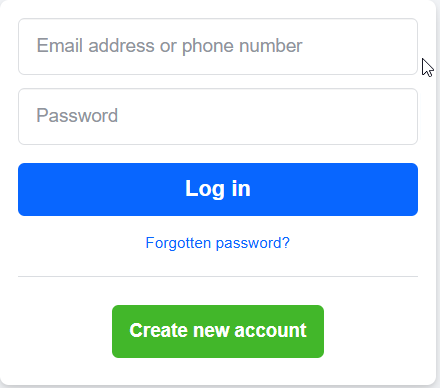
1. Log in to Facebook
Go to facebook.com and log into your account that has admin or editor access to the Page.
Alternatively, you can login to Meta Business Suite directly if your page is part of a Business Suite account.
2. Go to Your Facebook Page
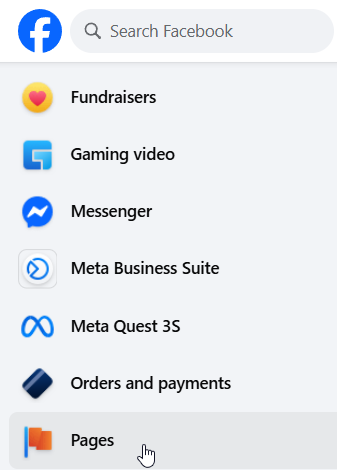
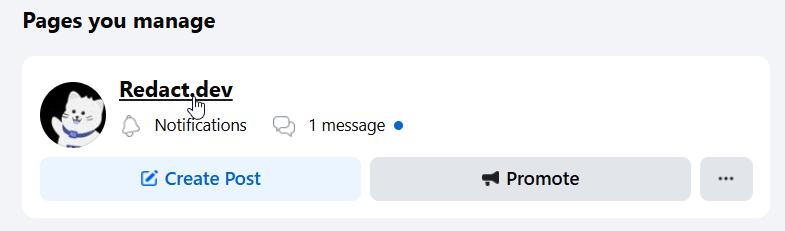
From the left-hand sidebar, click Pages and select the Page you manage.
3. Find the Post
Scroll through your timeline or go to Meta Business Suite → Posts & Stories to see all published content.
Next to the post you want to remove, click the three dots in the top-right corner.
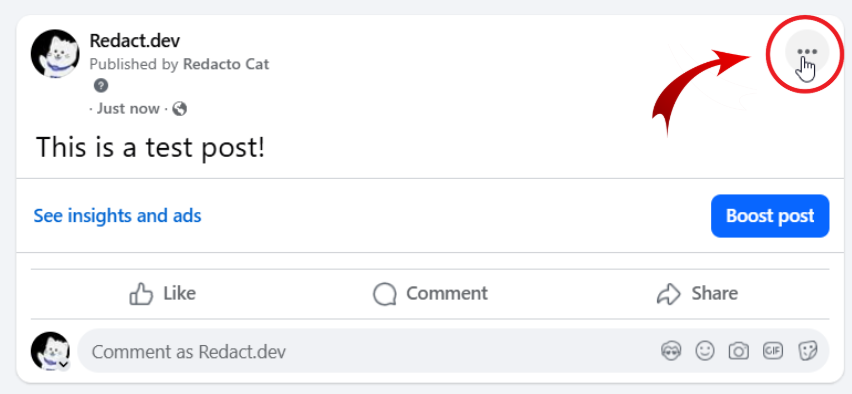
4. Select “Move to bin”
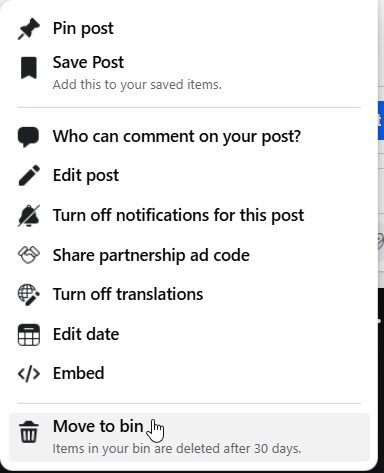
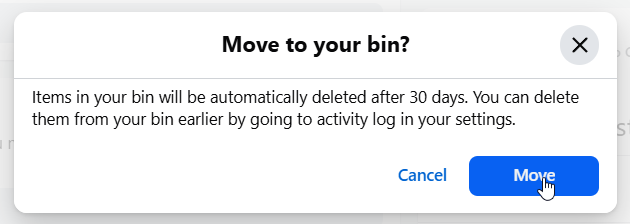
From the dropdown menu, select Move to bin, then hit the Move button to confirm it. Facebook will move the post to the Page’s bin, where it will stay for 30 days before permanent deletion.
5. Go to Page Settings
Once you’ve trashed a post, it will go to your bin for 30 days. You can delete them immediately instead, by navigating to your page settings here:
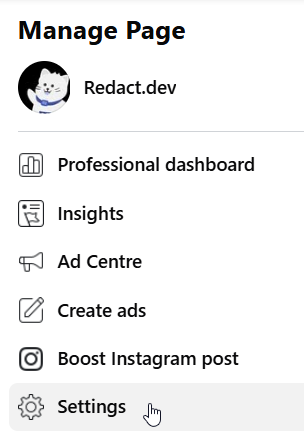
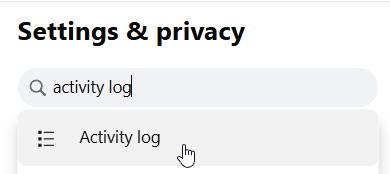
6. Find The Activity Log
Search or look for the “Activity Log” section in your page settings. It should be on the left-hand navigation bar.
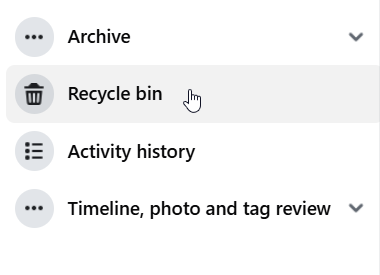
7. Go to the Recycle bin
Once you’re in the Activity log, you should be able to see the Recycle Bin button on the left. Click this tab and you should see your deleted posts.
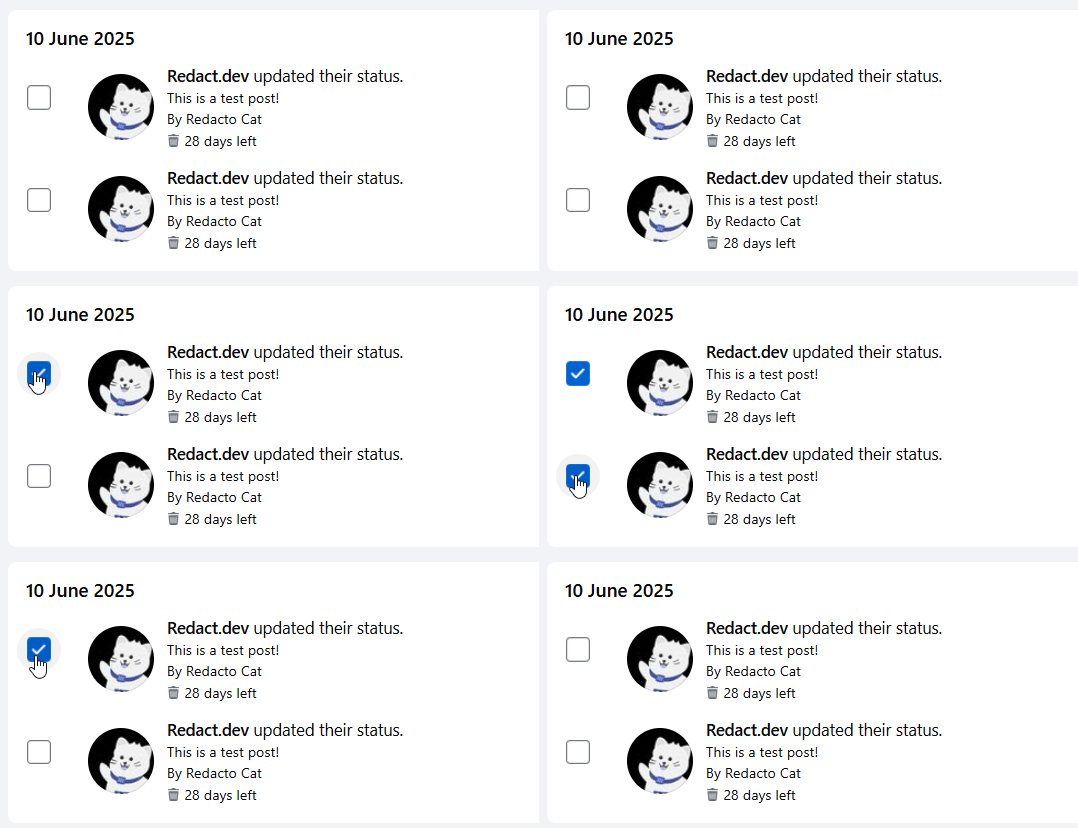
8. Find and select the posts you want to delete
In your Facebook page’s recycle bin you should be able to see all of the posts you deleted earlier on. You can scroll through this list and click the checkbox to select the posts you’d like to delete permanently.
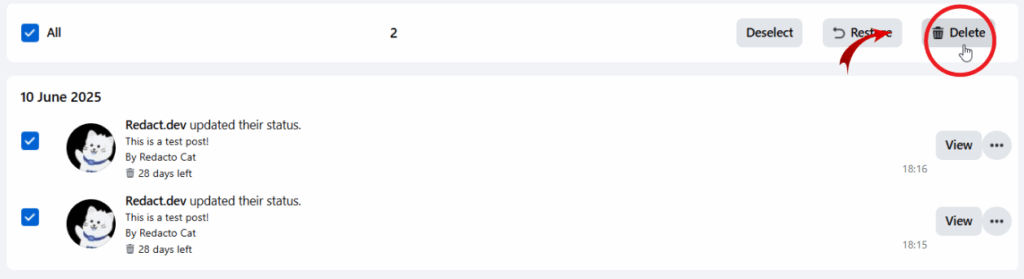
Once you’ve selected the posts you’d like to delete, just hit the delete button in the top right of the recycle bin.
Want to Delete All Facebook Page Posts at Once? Redact Can Help
While Facebook’s native tools allow you to delete posts one at a time or in limited batches, the process can be slow and time-consuming, especially if your Page has years of content.
If you’re looking to wipe your Facebook Page clean or remove large volumes of posts quickly, Redact offers an enterprise-level solution designed specifically for this purpose. With a Redact Enterprise subscription, you can:
- Mass delete all Page posts in a single session
- Target posts by date range, keyword, or engagement level
- Automate bulk deletion across multiple Pages or platforms
- Get expert support and onboarding from the Redact team
This is ideal for brands going through a rebrand, agencies managing client content, or any organization that wants full control over their Facebook Page history (without the manual effort).
Interested in Redact for your Facebook Page? Get in touch or learn more about Enterprise options to get started.
Delete All Posts on a Facebook Page FAQ
Can I remove every post from my Facebook Page in one step?
Facebook does not provide a single remove all button for Page posts. You can delete in batches. Tools can automate batches with filters for dates and content types.
What is the difference between deleting Page posts and profile posts?
Page posts belong to a business or creator Page and are managed through Page tools. Profile posts belong to a personal account and use different controls and limits.
How does Redact connect to my Facebook Page for a bulk cleanup?
Open Redact and choose Facebook. Sign in, select your Page, then pick Page Posts. Redact runs on your device and uses the minimum access needed to find and remove content you approve.
Which Page content types can Redact target during deletion?
Posts, photos, videos, links, and text updates. You can filter by media type, keywords, and date windows so you remove risky items and keep what still represents your brand.
What modes does Redact provide for Page post cleanups?
Use Preview to see matches with no changes. Use Deletion to remove all matches. Use Review & Delete to approve items. Use Schedule Deletion to run recurring sweeps.
Do I need admin permissions on the Page to delete posts in bulk?
Yes. Admin or a role with full content management is required. Editors can remove posts but may not access all settings. Confirm your role in Meta Business settings first.
Is there a free option in Redact for Facebook Page cleanups or do I need Premium?
You can start for free with recent history on supported services. Upgrade to Premium to process all time content and unlock more advanced filters and scheduling.
How does Redact handle rate limits or large history on a Page with thousands of posts?
Redact batches actions and spaces requests to respect platform limits. Use date slices such as Before, After, or Between for faster and more reliable processing.
Should I export my Page data before I delete anything in bulk?
Yes. Export a private archive of your Page content. Keep it offline or in encrypted storage. This preserves a record for audits, brand history, or legal needs.
Can I remove comments and reactions on my Page posts during cleanup too?
You can delete your Page posts, which removes the thread. For selective moderation, remove specific comments on remaining posts. Reactions belong to viewers and cannot be removed directly.
Does Redact store my Facebook credentials or Page content on its servers?
No. Redact runs on your device and uses the minimum access needed to perform your approved actions. You can disconnect Facebook from Redact at any time.
After deletion, will search engines or third party caches still show my Page content?
Deleted posts are removed from Facebook. External copies such as screenshots or cached pages may persist. Request removals where available and monitor search results.
Can multiple admins run cleanups at the same time on the same Page without issues?
It is better to coordinate. Overlapping actions can cause errors or rate limits. Assign one operator and one schedule for predictable results.
Can Redact schedule recurring Page cleanups so new posts do not pile up over time?
Yes. Save your filters and schedule weekly or monthly runs. This keeps your Page aligned with brand and compliance goals.
Is Redact easy to try for Facebook Pages, and how do I sign in securely?
You can download Redact for free and start with recent history. Redact uses passwordless sign in with secure email codes. Upgrade any time for all time cleanups and advanced options.