Full list of known and upcoming Facebook datacenters as of May 2026.
 Dan Saltman30 min read
On this page
When Mark Zuckerberg recently described one of Meta’s new data center projects as large enough to “cover a significant part of Manhattan,” he was not talking about office space. He was talking about Hyperion, an AI training facility under construction in rural Louisiana that will eventually scale toward 5 gigawatts of power demand. That is roughly enough electricity to run five million homes. To make Hyperion happen, Meta is tied to a massive Entergy Louisiana power buildout that includes new gas generation, high-voltage transmission lines, battery storage, and related infrastructure, bringing the total regional power plan to around $27 billion.
Hyperion is just one of 32 Meta data centers operating or under construction worldwide as of April 2026, according to Meta’s own announcement of its Tulsa, Oklahoma facility. The newer ones share a common purpose, and it is one that connects directly to the data you have shared on Meta’s platforms over the years.
How Did Meta’s Data Center Strategy Change with AI?
Meta’s first owned data center opened in Prineville, Oregon in 2011. For the next decade, the company built data centers the way every other social media platform did. Prineville, Forest City, Altoona, and the early international sites in Sweden and Ireland were designed to handle storage and compute capacity for billions of feed scrolls, photo uploads, and direct messages. They were big, but they were not unprecedented in the industry.
What is happening now is different. Almost every Meta data center announced in the last 18 months is described in Meta’s own press releases as “AI-optimized.” The company is no longer just expanding to keep up with user growth. It is racing to build computational capacity at a scale that has never existed before, and it is doing this specifically to train large language models like Llama, the foundation of Meta’s AI assistants and the technology Meta intends to embed across every product it operates. Meta initially projected 2026 capital expenditures between $115 billion and $135 billion, then later raised that range to roughly $125 billion to $145 billion as AI infrastructure spending accelerated.
Public user-generated content is a major source of training data for these models. As previously documented by Redact, Meta has acknowledged scraping public Facebook and Instagram posts since 2007 for AI training purposes. The scale of the new data centers reflects how much computational power the company expects to need to process and learn from that data.
What Are Hyperion and Prometheus, Meta’s New AI Mega-Campuses?
Two of Meta’s current builds are categorically different from anything else in the company’s history. They are the showpieces of Meta’s AI infrastructure strategy, and both are being built in the United States.
Hyperion in Richland Parish, Louisiana, will be Meta’s largest data center ever. The campus spans 4 million square feet across roughly 3,650 acres of former farmland in the northeastern corner of the state, after Meta expanded the original 2,250-acre footprint by another 1,400 acres in February 2026. The first phase opens in 2028, with 2 gigawatts of compute capacity targeted by 2030 and an eventual scale of 5 gigawatts. Direct investment is over $10 billion, but counting the regional power infrastructure Meta is funding through Entergy, the full bill approaches $27 billion. Hyperion was originally codenamed “Project Sucre,” and Meta kept the company’s involvement secret from local residents during the early permitting process. According to an investigation by Sherwood News, the lack of transparency means residents had little information to evaluate the project before it was approved.
Prometheus in New Albany, Ohio, will be the world’s first gigawatt-scale data center when it comes online in 2026. The campus spans multiple buildings on Meta’s existing New Albany site and is designed specifically for AI training workloads using “rapid deployment” tent structures for cooling. To power Prometheus and its successors, Meta has signed three nuclear power deals with TerraPower, Oklo, and Vistra, totaling 6.6 gigawatts of clean energy by 2035.
Together, these two sites alone represent over $20 billion in direct investment and will consume more electricity than several US states.
Where Are All of Meta’s Data Centers Located?
Below is every Meta data center currently operational or announced, as of April 2026. Click on any location to jump to its full profile further down this page. Sizes are approximate and reflect cumulative campus footprint, not single buildings.
United States, operational and active builds
- Prineville, Oregon (2011): Roughly 3.2 million sq ft, $800 million+ cumulative investment. Meta’s first data center, pioneered the Open Compute Project hardware standard.
- Forest City, North Carolina (2012): Mid-sized campus serving general compute.
- Altoona, Iowa (2014): Got a $10 billion+ AI-focused expansion announced in 2024.
- Fort Worth, Texas (2017): Five buildings, 2.6 million sq ft, $1.5 billion invested.
- Papillion, Nebraska (2019): $2.5 billion+ campus. Sometimes referred to as the Sarpy County site.
- Los Lunas, New Mexico (2019): $750 million+ cumulative investment.
- New Albany, Ohio (2019): Original campus, now joined on the same site by the Prometheus AI cluster.
- Henrico County, Virginia (2019): Located in the White Oak Technology Park, runs on solar.
- Eagle Mountain, Utah (2019): Mega expansion announced in 2022 added approximately 2 million sq ft.
- Newton County, Georgia (2020): Stanton Springs / Social Circle area.
- DeKalb, Illinois (2022): Midwestern compute hub.
- Gallatin, Tennessee (2022): Nashville-area campus.
- Mesa, Arizona (2023): Desert-climate operation.
- Huntsville, Alabama (2024): $1.5 billion+ investment.
- Kansas City, Missouri (2024): $2.5 billion+ campus.
- Boise / Kuna, Idaho (2024): Pacific region serving.
- Temple, Texas (2024): Hyperscale campus.
- Aiken, South Carolina (under construction): $800 million+ AI-optimized campus.
- Cheyenne, Wyoming (under construction): 715,000 sq ft.
- El Paso, Texas (under construction): AI-optimized campus with public reporting now placing the project at roughly $10 billion.
- Montgomery, Alabama (under construction): $1.5 billion+, AI-optimized, nearly 1.3 million sq ft.
United States, under construction or recently announced
All of these are described by Meta as AI-optimized facilities.
- Prometheus, New Albany, Ohio (2026): 1 GW of AI compute capacity. The world’s first gigawatt-scale data center.
- Jeffersonville, Indiana (2026): 700,000 sq ft, $800 million+.
- Rosemount, Minnesota (2026): 715,000 sq ft, $800 million+, located on University of Minnesota property.
- Beaver Dam, Wisconsin (2027): 700,000+ sq ft, $1 billion+ investment, closed-loop liquid cooling that needs zero water for most of the year.
- Lebanon, Indiana (2027): 4 million sq ft, $10 billion+, 13 buildings, approximately 1 GW of total capacity.
- Hyperion, Richland Parish, Louisiana (2028 first phase): Up to 5 GW eventual capacity, Meta’s largest data center ever.
- Tulsa, Oklahoma (announced April 2026): Meta’s 32nd data center globally and newest. $1 billion+ investment.
International
- Luleå, Sweden (2013): Three data centers, approximately 1 million sq ft. Cold-climate cooling near the Arctic Circle. Meta’s first international site.
- Clonee, Ireland (2018): €1.4 billion. Serves European users alongside Luleå.
- Odense, Denmark (2019): Three data centers, 900,000+ sq ft. Routes waste heat into the local district heating system.
- Singapore (2022): 1.8 million sq ft in a multi-story building, S$1.4 billion. Meta’s only data center in Asia.
Proposed but not yet under construction
- Talavera de la Reina, Spain: 3.2 million sq ft proposed, €1 billion+. Would be Meta’s largest European campus, serving southern Europe.
- Visakhapatnam, India: Reported partnership with Sify Technologies, few public details available.
How Much Power and Water Do Meta’s Data Centers Consume?
Hyperion’s 5-gigawatt eventual capacity is a political event as much as an engineering specification. Entergy’s power plan for Meta’s Richland Parish buildout has expanded over time, with earlier approvals covering initial generation and transmission work and later plans adding additional natural gas units, hundreds of miles of transmission, battery storage, and related infrastructure. As Engineering News-Record reported, if Meta walks away from Hyperion before the supporting power infrastructure reaches the end of its useful life, some costs could be passed on to ordinary Louisiana ratepayers. In 2025, Meta restructured ownership of the campus in a deal with Blue Owl Capital that allows the company to exit its lease every four years, so this possibility isn’t theoretical.
Water is the other contested resource. Meta has pledged that several of its newer facilities, including Beaver Dam in Wisconsin, will use closed-loop or dry cooling systems that need essentially no water during normal operations. The company also publicly commits to “water positive” operations by 2030, meaning restoring more water to local watersheds than the data centers consume. Independent verification of these claims is limited, and water use at older facilities like Odense, which withdraws over 110 million gallons annually, remains substantial.
What Privacy Risks Do Meta’s AI Data Centers Create for You?
The infrastructure described above exists mainly to process, store, and increasingly train AI on the data Meta collects across its platforms. Public Facebook posts, public Instagram captions, public comments, Threads replies, and interactions with Meta AI can become part of the broader data environment Meta uses to improve and train AI systems. Private messages, encrypted chats, and WhatsApp content should be treated separately, since Meta’s public statements draw a distinction between public content and private communications.
Meta’s terms of service have for years allowed the company to use public posts to improve its services. The newer AI policies make clear that public user-generated content and interactions with AI features can be used to improve and train AI models. The Hyperion buildout is Meta putting tens of billions of dollars behind that intention. The infrastructure is not speculative. It is being built. Public user data is one of the inputs that fills it.
The privacy concern is compounded by another recent shift at Meta. Meta is discontinuing support for Instagram’s optional end-to-end encrypted chats after May 8, 2026. While the stated reason is content moderation and legal compliance, the change could reduce the availability of encrypted messaging inside Instagram. It should not be framed as proof that all Instagram direct messages will be used for AI training.
How to Limit Meta’s Use of Your Data for AI Training
Your options depend significantly on where you live. The rights available to users in the European Union and the United Kingdom are considerably stronger than those available to users in the United States and most other countries.
If you are in the EU or UK: Under GDPR, you have a formal right to object to Meta processing your data for AI training. To exercise this, log into Facebook or Instagram, go to Settings, then Privacy Center, and look for the section titled “How Meta uses information for generative AI models and features.” Click “Right to object” and complete the form. An opt-out covers your own content but does not cover photos or posts that other users have shared featuring you.
If you are in the US: There is currently no equivalent opt-out mechanism. Meta does not offer a setting that prevents American users’ public posts from being used as AI training data. The most effective steps available to US users are setting accounts to private, limiting what they share publicly, and deleting content they would not want to contribute to a training dataset.
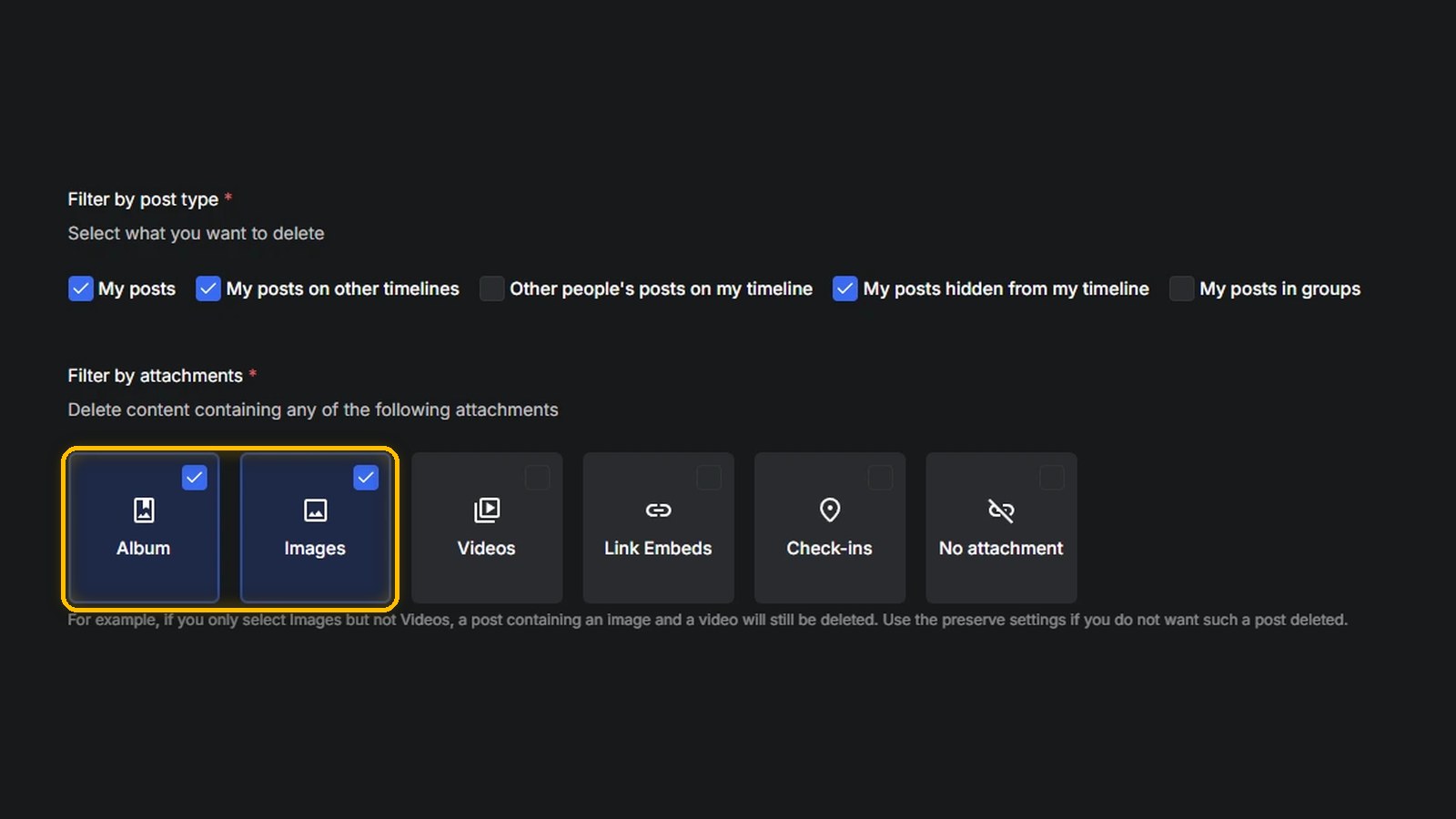
For users who want to go further than adjusting settings, the most direct action available is to reduce the amount of personal content that exists on Meta’s platforms in the first place. Opting out only limits future use. Content already harvested may already be embedded in existing training datasets running on these data centers. Removing old posts, photos, and profile information limits both current and future exposure. Tools like Redact make this process manageable at scale, allowing you to bulk delete content across more than 35 platforms without doing it manually, post by post.
Meta Data Center Profiles: Every Site in Detail
Below is a detailed profile for every Meta data center in the global fleet, organized by region and status. Use the links in the lists above to jump to a specific site, or scroll through to see the full picture of Meta’s infrastructure.
Operational US data centers and active builds
Prineville, Oregon
The original. Where Meta’s data center story began.
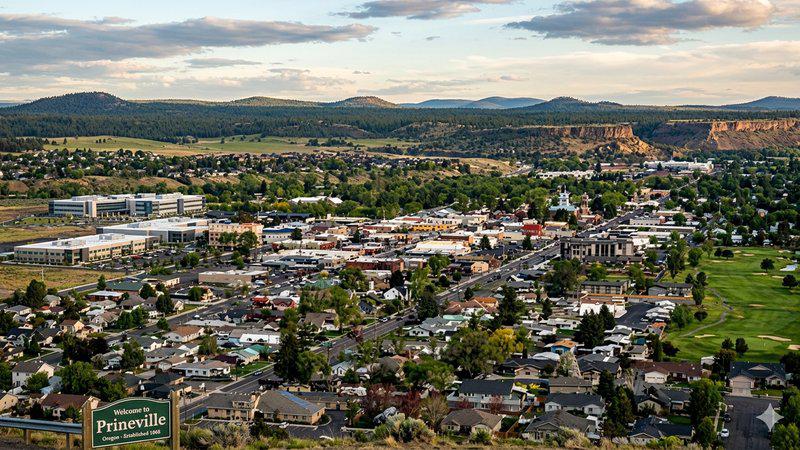
Prineville was Meta’s first owned data center, opening in 2011 in the high desert of central Oregon. The facility was where Meta developed and open-sourced the Open Compute Project, a hardware standard that has since become the basis for data center design across the industry. The campus has been expanded multiple times, most recently with an $800 million expansion that broke ground in 2024. Prineville’s combination of cool dry air and access to renewable hydroelectric power made it a model for the company’s later builds.
Forest City, North Carolina
Meta’s second data center and East Coast anchor.
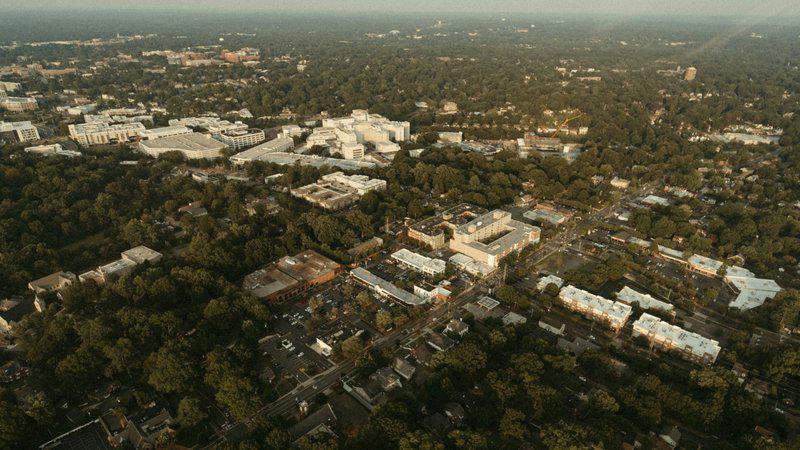
Opened in 2012, Forest City was Meta’s second data center and the company’s first major presence on the East Coast. The campus serves general compute and storage workloads supporting Facebook and Instagram traffic for users across the eastern half of North America. Like Prineville, it has been expanded multiple times since opening.
Altoona, Iowa
A heartland workhorse getting a $10 billion AI overhaul.
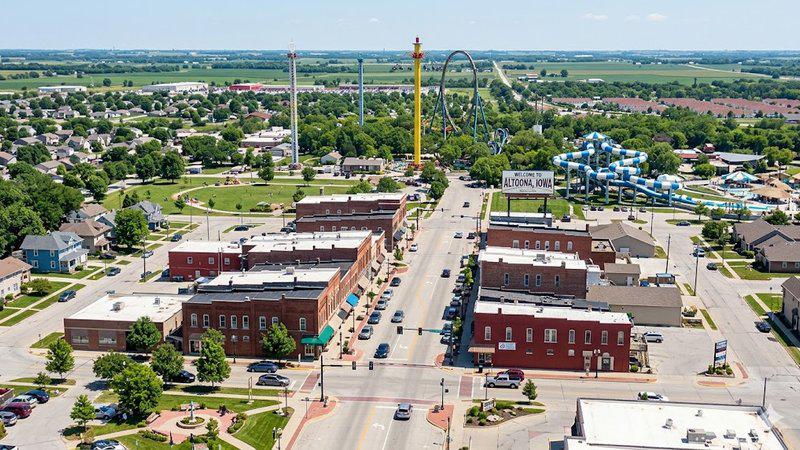
Altoona opened in 2014 as a conventional data center but transformed in 2024 when Meta announced a $10 billion+ expansion focused on AI workloads. At peak construction the expansion supports more than 5,000 skilled trade workers on site, making it one of the largest active data center construction projects in the United States. The campus sits in a state with abundant wind power and is part of Meta’s broader effort to colocate AI infrastructure with renewable generation.

Fort Worth, Texas
Five connected data halls in north Texas.
Fort Worth is one of Meta’s largest established US campuses. Construction began in 2015, with the first data center coming online in 2017. The site eventually grew to five interconnected buildings in two H-shaped clusters plus a standalone center, supporting heavy compute loads for the southern and central United States. The facility relies primarily on Texas wind energy through a long-term renewable purchase agreement.
Papillion, Nebraska
A Midwest mega-campus on the Sarpy County prairie.
Often called the Sarpy data center after the county it sits in, the Papillion campus is one of Meta’s larger Midwest sites. Construction started in 2016 and the first buildings came online in 2019, with subsequent phases continuing through the early 2020s. The site supports hundreds of long-term operational jobs and is paired with renewable energy investments in the region.

Los Lunas, New Mexico
Desert compute, repeatedly expanded.
Located south of Albuquerque, the Los Lunas campus opened its first phase in February 2019 and has been expanded multiple times since. The site benefits from New Mexico’s solar resources and is paired with utility-scale solar developments that supply renewable electricity to match the data center’s consumption.
New Albany, Ohio
An Ohio campus that became home to the world’s first gigawatt cluster.
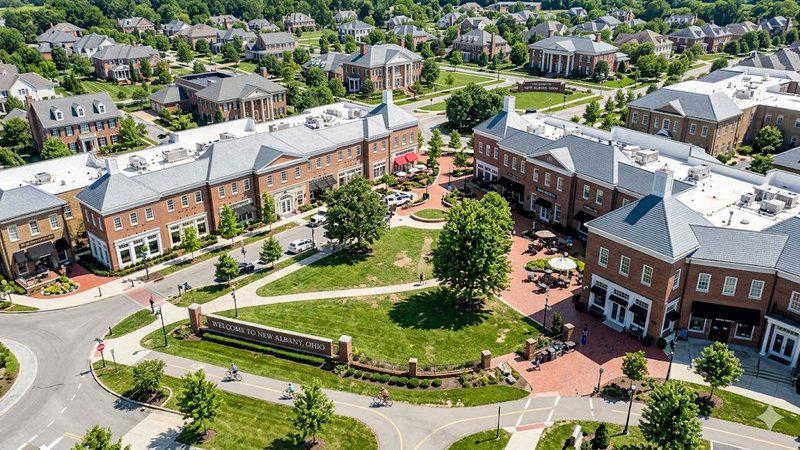
The original New Albany campus opened in 2019 as a conventional data center serving general compute. In 2025 Meta announced that the same site would host Prometheus, the company’s first gigawatt-scale AI cluster, profiled separately below. Meta’s $42 million acquisition of additional adjacent land in 2026 (the Clover Valley Road parcel) signals further expansion of the broader New Albany footprint into what the company is now calling the “Prometheus AI Supercluster.”
Henrico County, Virginia
Solar-powered data center in the White Oak Technology Park.
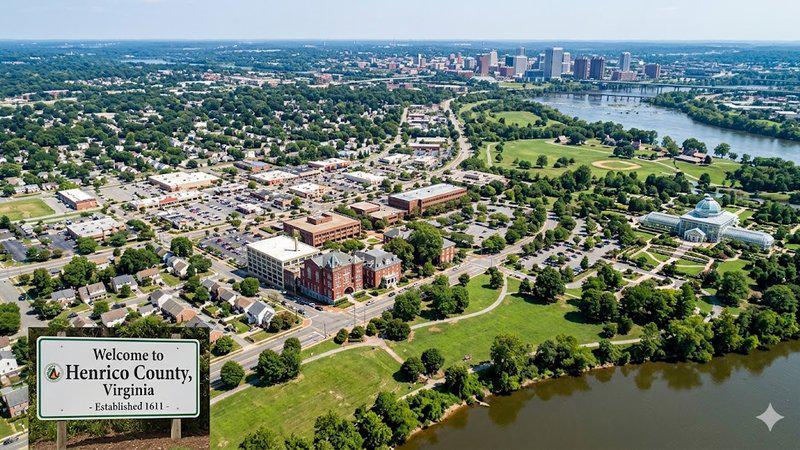
Located in Henrico County’s White Oak Technology Park, this campus broke ground in 2018 and serves Mid-Atlantic compute loads. The facility is powered entirely by solar energy through long-term agreements with Virginia utilities. It is one of Meta’s earlier examples of pairing a major data center with dedicated renewable generation rather than relying on the regional grid mix.
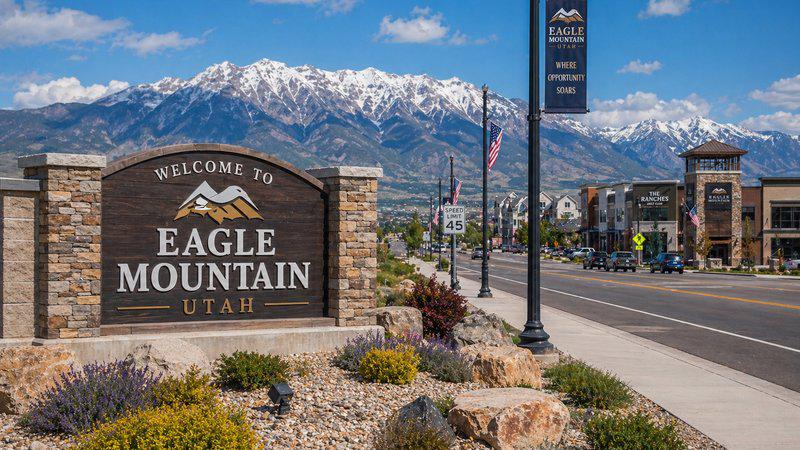
Eagle Mountain, Utah
Doubled in size with a 2 million sq ft expansion.
Eagle Mountain opened in 2019 as a moderate-sized campus, then dramatically expanded after Meta announced in 2022 that it would build two additional buildings adding approximately 2 million square feet. The site sits west of Salt Lake City in a fast-growing technology corridor that also hosts Google and other major data center operators.
Newton County, Georgia
Stanton Springs / Social Circle southeastern compute hub.
Located in the Stanton Springs business park near Social Circle, Georgia, this campus serves the Southeast US. The facility came online in 2020 and is supported by a renewable energy purchasing agreement covering its full electricity consumption.
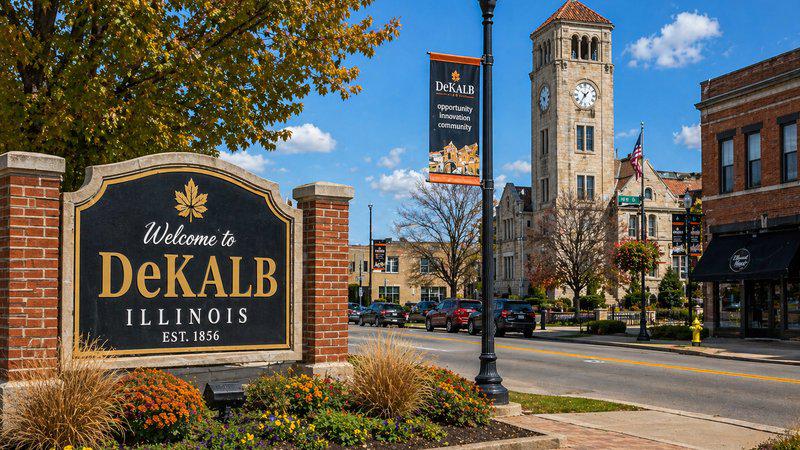
DeKalb, Illinois
An Illinois campus serving the upper Midwest.
DeKalb is a more recent addition to Meta’s Midwest fleet, coming online in 2022. The campus sits along the Interstate 88 corridor west of Chicago and is part of an emerging cluster of data center developments in northern Illinois.
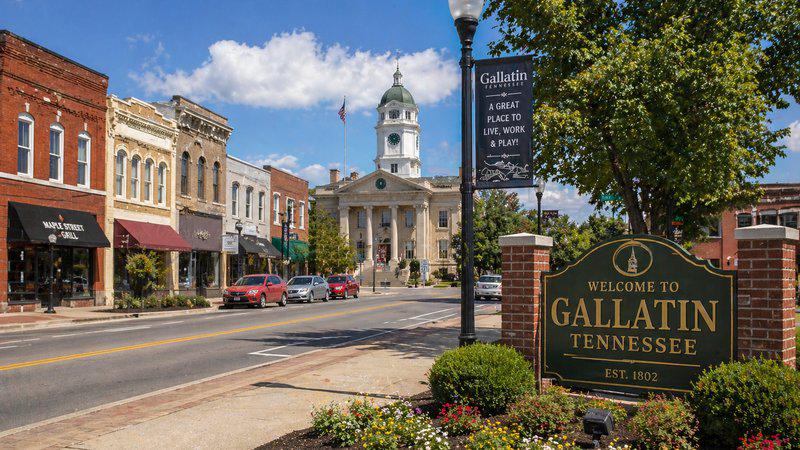
Gallatin, Tennessee
Nashville-area campus serving the southeast.
The Gallatin campus, often referred to as the Nashville campus, came online in 2022 north of the city in Sumner County. It is one of several Meta sites supporting compute and storage capacity for the southeast.

Mesa, Arizona
Desert-climate campus in the Phoenix metro.
Mesa is part of the explosion of data center development in the Phoenix metropolitan area, where multiple hyperscalers have built campuses to take advantage of cheap land, large-scale solar, and a relatively stable power grid. Meta’s Mesa facility came online in 2023.

Huntsville, Alabama
Rocket City compute hub.
Huntsville opened in 2024 as one of two Meta campuses in Alabama, alongside Montgomery. Combined, Meta’s Alabama investments now exceed $3 billion. The Huntsville site sits north of the city near the Tennessee state line.
Kansas City, Missouri
A $2.5 billion+ central US compute hub.
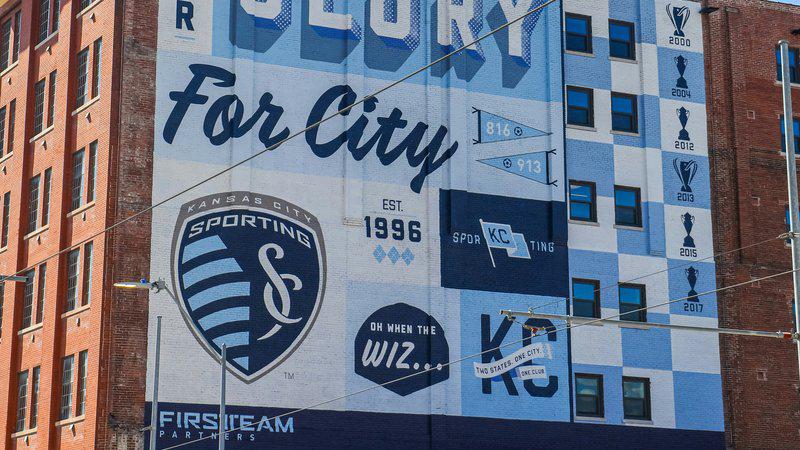
The Kansas City campus is one of Meta’s larger conventional data center investments. Construction broke ground in 2017 with operations starting in 2024 after multiple expansion phases. The facility supports compute and storage workloads for the central United States.
Boise / Kuna, Idaho
Idaho compute hub south of Boise.
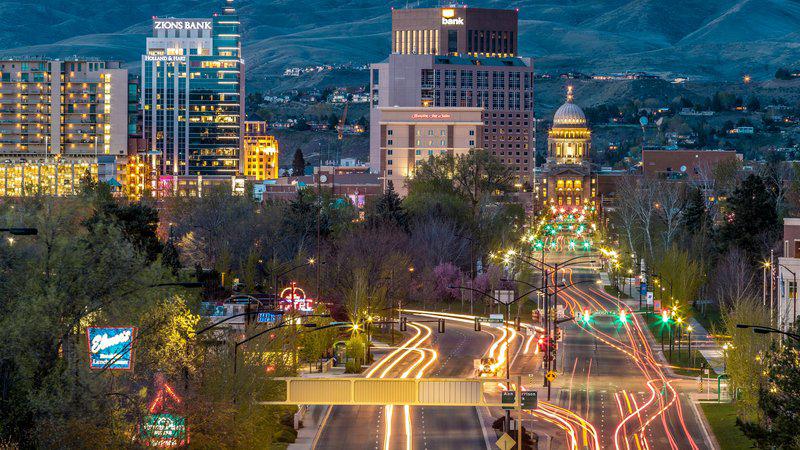
Located in Kuna, Idaho, just south of Boise, this campus serves Pacific Northwest traffic. It came online in 2024 and complements Meta’s older Prineville campus in supporting the western United States.
Temple, Texas
Hyperscale Texas compute, central state.
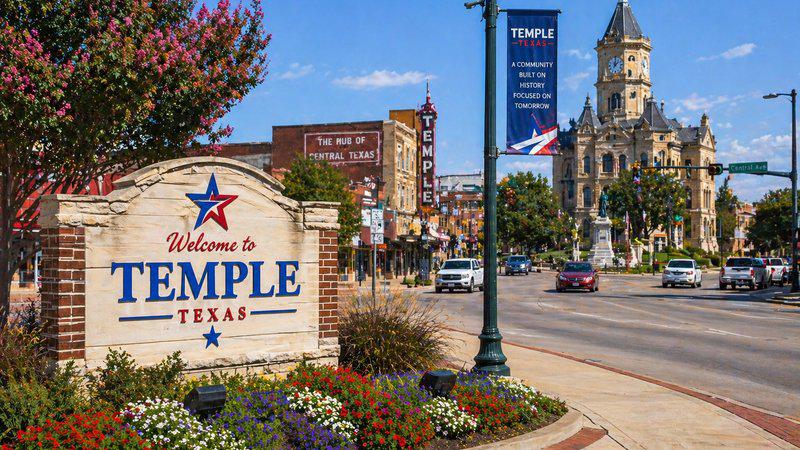
Announced in 2022 and operational by 2024, Temple is Meta’s second Texas campus alongside Fort Worth. Located between Austin and Waco, the site benefits from access to Texas wind and solar capacity through ERCOT.

Aiken, South Carolina
An $800 million+ AI-optimized campus near the Georgia line.
Aiken was announced as an AI-optimized Meta data center project in 2024. The campus is planned as an $800 million+ investment near the Georgia line and is expected to support the southeastern United States once operational. It is one of several Meta facilities clustered in the Carolinas and Georgia region.
Cheyenne, Wyoming
High plains data center on Wyoming wind.
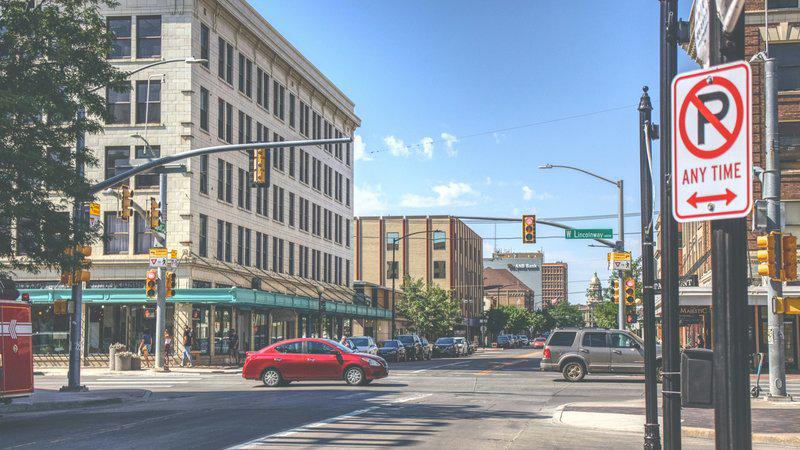
Cheyenne is Meta’s first Wyoming data center. The 715,000-square-foot campus broke ground in 2024 and is being built to support Meta’s expanding infrastructure needs. Wyoming’s cold climate and abundant wind energy resources are part of the site’s appeal.
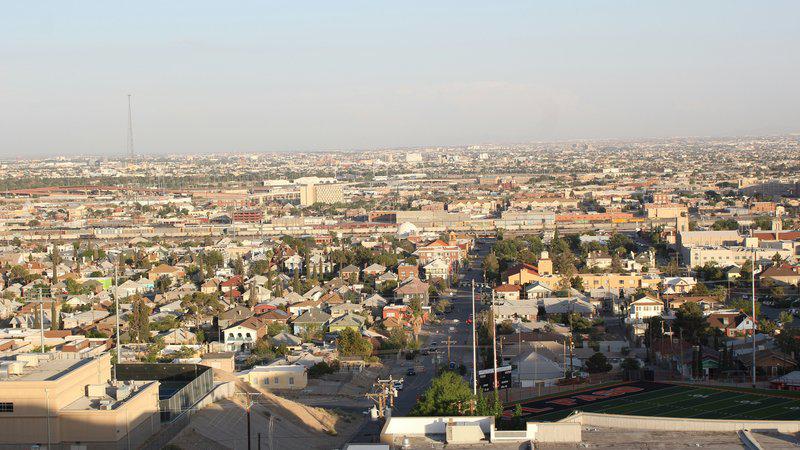
El Paso, Texas
A major AI-optimized West Texas campus near the New Mexico line.
Located in West Texas near the New Mexico state line, the El Paso campus is one of Meta’s major Texas projects. It should be described as an AI-optimized campus under construction, not as an operational 2024 facility. Public reporting now places the project at roughly $10 billion, with operations expected later in the decade.

Montgomery, Alabama
An AI-optimized campus that doubled its scope before opening.
Originally announced in April 2024 as an $800 million project, Montgomery’s investment nearly doubled to $1.5 billion+ as the project expanded. The campus added two new buildings during construction, reaching nearly 1.3 million square feet total. It is optimized for AI workloads and is expected to support Meta’s global infrastructure powering Facebook, Instagram, and other platforms once operational.
Under construction or recently announced
Prometheus (New Albany, Ohio)
The world’s first gigawatt-scale data center, built for AI.
Prometheus is Meta’s first multi-building gigawatt AI cluster, located on the existing New Albany site in Ohio. It is expected to come online in 2026 and will be used to train Meta’s most advanced large language models. To meet the energy demand, Meta has signed deals with TerraPower, Oklo, and Vistra for up to 6.6 GW of clean energy by 2035, including a 1.2 GW Oklo development in Pike County, Ohio. Prometheus uses tent-style “rapid deployment” structures for cooling, a design Meta has adopted to accelerate construction timelines for AI infrastructure.

Jeffersonville, Indiana
River Ridge AI campus in southern Indiana.
Located at the River Ridge Commerce Center across the Ohio River from Louisville, Kentucky, this AI-optimized campus broke ground in 2024 and is expected to be operational by 2026. The site will consist of a single 700,000-square-foot data center backed by an $800 million+ investment.
Rosemount, Minnesota
Twin Cities AI campus on University of Minnesota land.
Located on the University of Minnesota’s UMore Park property in Rosemount, this AI-optimized campus broke ground in 2024. The single 715,000-square-foot facility is expected to be operational by 2026 and represents an $800 million+ investment.

Beaver Dam, Wisconsin
Closed-loop cooling AI campus, Meta’s 30th globally.
Announced in November 2025 as Meta’s 30th data center globally and 26th in the United States, Beaver Dam is being built in Alliant Energy’s Beaver Dam Commerce Park. The 700,000+ square foot AI-optimized campus uses a closed-loop liquid cooling system that requires zero water for the majority of the year. Meta has committed to restoring 100% of the water consumed back to local watersheds and is partnering with Ducks Unlimited to restore 570 acres of wetlands and prairie surrounding the site. The facility is expected to be operational by 2027.
Lebanon, Indiana
A 13-building, $10 billion AI campus in central Indiana.
Located in the LEAP Research and Innovation District west of Interstate 65, Lebanon will be Meta’s 31st data center globally and 27th in the United States. The 1,437-acre campus will include 10 data center buildings plus a network facility, a logistics warehouse, and an administrative building, totaling around 4 million square feet. Once operational, the campus will deliver approximately 1 GW of total capacity. Site preparation is underway, with the first buildings expected to be operational by the end of 2027. At peak construction, more than 4,000 workers are expected on site.
Hyperion (Richland Parish, Louisiana)
The largest data center Meta has ever built. Up to 5 GW of AI compute.
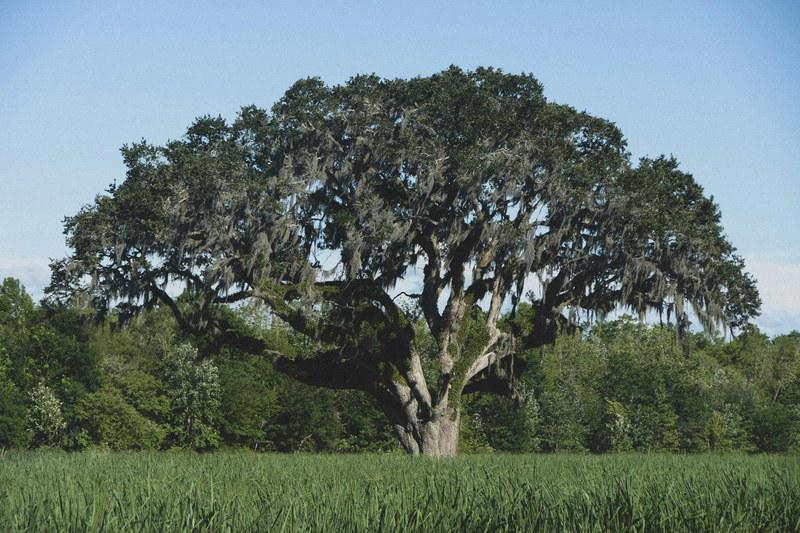
Hyperion will be Meta’s largest data center ever when complete. The campus spans 4 million square feet across roughly 3,650 acres of former farmland in Richland Parish, in the northeast corner of Louisiana. Mark Zuckerberg has compared the footprint of one of the new clusters at the site to a “significant part of Manhattan.” Construction began at the end of 2024, with the first phase expected to open in 2028. Initial capacity is 2 GW by 2030, scaling toward 5 GW over time. The total regional buildout, including seven new natural gas power plants and 240 miles of high-voltage transmission lines built through Entergy Louisiana, brings the project bill to approximately $27 billion. The site was originally codenamed “Project Sucre,” with Meta’s involvement kept secret from local residents during early permitting. In 2025, Meta restructured campus ownership through a deal with private equity firm Blue Owl Capital, converting the company into a tenant with the option to exit its lease every four years. Hyperion’s purpose is to train future generations of Meta’s AI models, including Llama and the work of Meta Superintelligence Labs.
Tulsa, Oklahoma
Meta’s newest data center announcement, the 32nd globally.
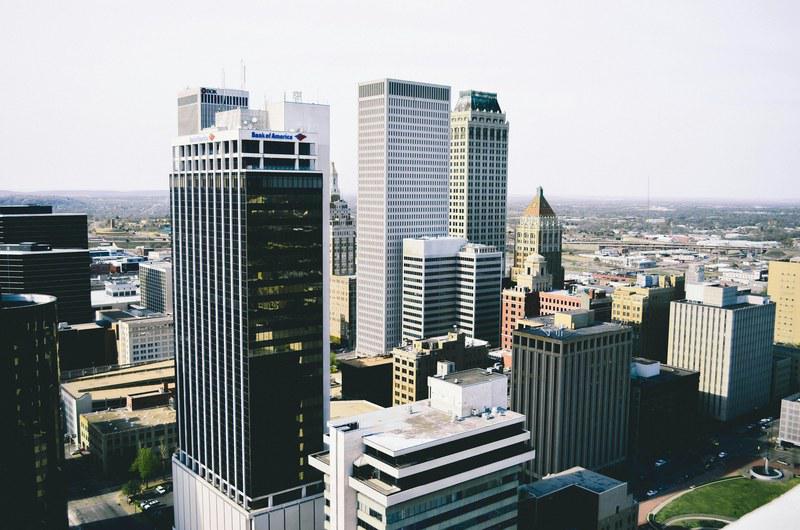
Announced in April 2026, Tulsa is Meta’s newest data center and the company’s first in Oklahoma. The AI-optimized facility represents an investment of more than $1 billion, including $25 million+ in local infrastructure improvements covering roads, water systems, and a workforce development program. At peak construction, the project will support approximately 1,000 workers, with roughly 100 long-term operational positions once the facility is online.
International data centers

Luleå, Sweden
Meta’s first international site, near the Arctic Circle.
Luleå was Meta’s first owned data center outside the United States, opening in 2013. Its location just south of the Arctic Circle allows for “free cooling,” using outside air to keep server temperatures down for most of the year. The campus consists of three data centers totaling approximately 1 million square feet and runs on Sweden’s hydroelectric power grid. Annual electricity consumption is 267,471 MWh, with 6.7 million gallons of water withdrawal per year.
Clonee, Ireland
Meta’s Irish campus serving European users.
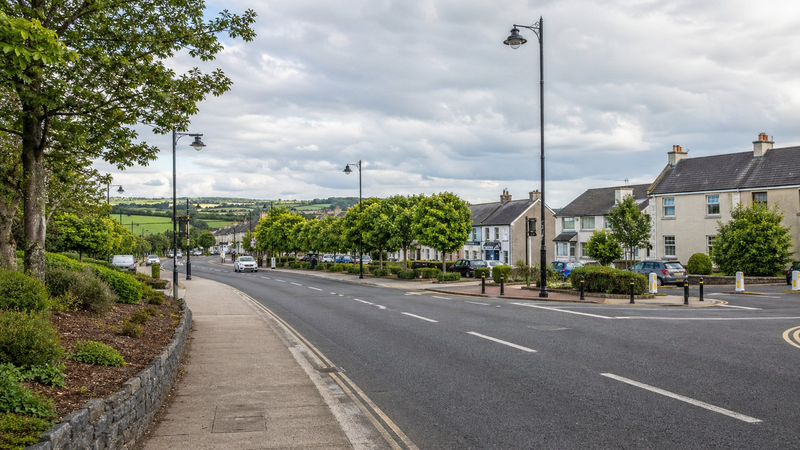
Located in Portan, County Meath, near Dublin, the Clonee campus came online in 2018 after construction broke ground in 2016. The €1.4 billion campus serves European users alongside Luleå and benefits from Ireland’s relatively cool climate and the country’s growing renewable energy mix.
Odense, Denmark
Server heat that warms Danish homes.
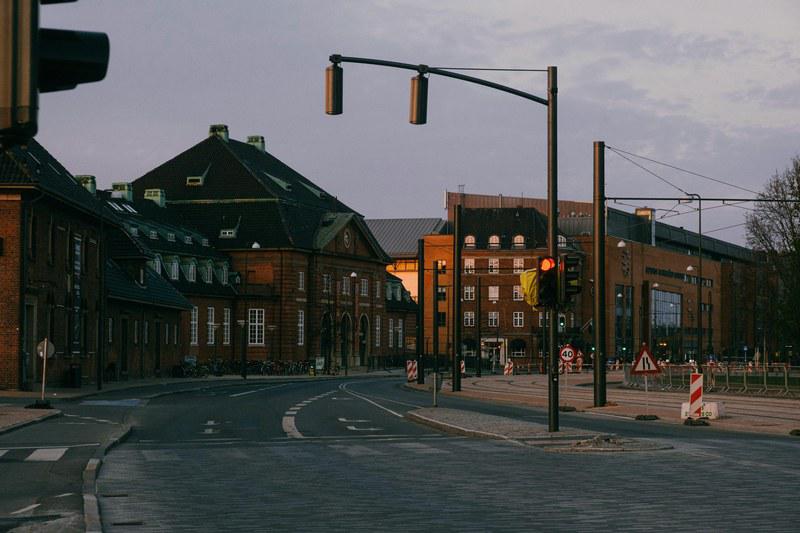
The Odense campus in Denmark broke ground in 2017 and the first data center came online in 2019. The site consists of three data centers totaling over 900,000 square feet. Its most notable feature is that excess heat from the servers is captured and fed into the local district heating system, helping warm Danish homes during winter. Annual electricity use is 517,718 MWh, with 113 million gallons of water withdrawal per year.

Singapore
Meta’s only Asian data center, multi-story by necessity.
Located at 30 Sunview Way / Tanjong Kling Road in Singapore, this is Meta’s only data center in Asia. Construction broke ground in 2018 and the facility opened in 2022. Unlike Meta’s sprawling US campuses, the Singapore site is a single multi-story building, an unusual format for Meta driven by Singapore’s land constraints. The 1.8 million square foot facility uses advanced cooling designed for the tropical climate and serves Asia-Pacific traffic for Facebook, Instagram, WhatsApp, and Messenger users.
Proposed and pre-construction
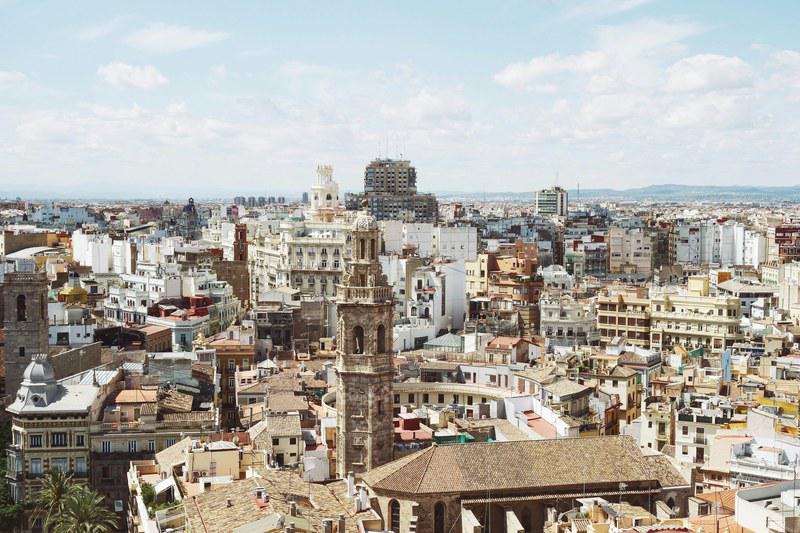
Talavera de la Reina, Spain
A proposed mega-campus that would dwarf Meta’s other European sites.
Meta has submitted a development proposal to the Regional Government of Castilla-La Mancha to build a 3.2 million square foot data center campus near Talavera de la Reina, approximately 78 miles southwest of Madrid. If approved, it would be Meta’s largest European campus by far, dwarfing existing sites in Sweden, Ireland, and Denmark combined. The proposal was submitted through a Meta subsidiary called Global Villacreces S.L. and would function as a key regional center for Spain and southern Europe.
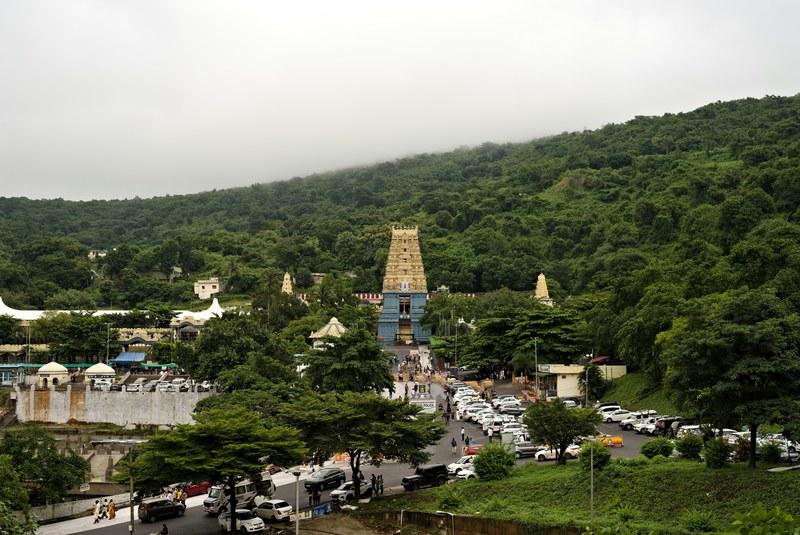
Visakhapatnam, India
A reported partnership with Sify Technologies, details limited.
Multiple industry reports have indicated that Meta is partnering with Sify Technologies to develop a large data center in Visakhapatnam, in the Andhra Pradesh region of southeast India. Few public details are available, and the project has not been officially confirmed by Meta as part of its data center fleet. If it proceeds, it would be Meta’s first major South Asian infrastructure investment.
Shrink Your Meta Footprint with Redact
The 32 data centers described above exist because Meta has determined that processing your data, including using it to train AI, is worth tens of billions of dollars in capital investment. Your social media history is more than a personal archive. For Meta, it is raw material for commercial AI systems being built without your direct consent or compensation.
Redact is a privacy-first tool that lets you bulk delete your posts, messages, comments, images, and other content across more than 35 platforms. Everything runs locally on your device: your credentials and content are never processed on external servers, and Redact cannot see or store any of your data.
You can filter deletions by keyword, date range, content type, and more, giving you precise control over what stays and what goes. Whether you want to wipe years of old Facebook posts before they get processed by Hyperion, clean up Instagram DMs before encryption is removed, or systematically reduce your entire Meta footprint, Redact makes it possible without requiring you to do it one post at a time.
Download Redact.dev and take back control of your online presence before the next data center comes online.
Redact supports a massive range of major social media and productivity platforms, including Facebook, Instagram, Twitter, Discord, Reddit and more.