Spain Follows Australia Teen Social Media Ban
 Dan Saltman5 min read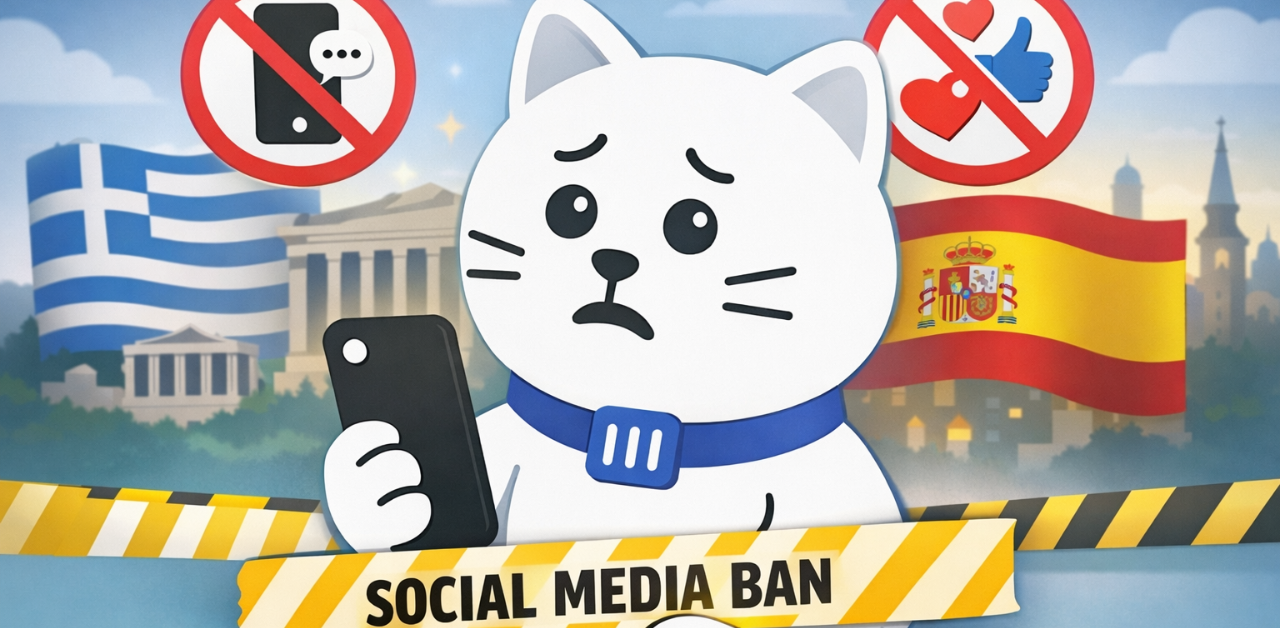
On this page
Spain is preparing one of the most aggressive social media restrictions in Europe. If approved by parliament, the plan would ban children under 16 from accessing social media platforms and force tech companies to fundamentally change how they verify age, moderate content, and design algorithms.
Unlike surface level debates that frame this as simply “protecting kids,” Spain’s proposal goes much further. It targets the structure of modern social platforms themselves, not just who is allowed to use them.
What Spain Is Proposing
Spain’s Prime Minister Pedro Sánchez announced the plan at the World Governments Summit, describing today’s online environment as a “digital Wild West” where children are exposed to addiction, abuse, manipulation, and violence.
The proposal includes several major elements:
• A ban on social media access for anyone under 16
• Mandatory age verification systems that go beyond simple checkboxes
• Legal responsibility for platform executives if illegal or harmful content is amplified
• Criminal penalties for algorithmic manipulation that promotes illegal material
• A new system to track how platforms fuel hate and polarization online
This places Spain closer to Australia’s model, but with even broader legal and criminal implications for companies and leadership
When is Spain’s Social Media Ban Happening?
Spain’s social media ban for under-16s is moving quickly through the legislative process. According to ABC News, “The ban will be added to an already existing measure centered on digital protections for minors that is being debated by parliament.” Prime Minister Sánchez has stated that he hoped to pass the laws “as soon as next week”, which may prove difficult in a contentious political space.
How will Spain Enforce a Social Media Ban?
While Spain has announced the ban, specific enforcement mechanisms remain unclear. Based on the Australian model, and Sánchez’s statements, enforcement will likely involve:
- Platform Obligations: to operate in Spain, platforms must implement “effective age-verification systems”; rather than a checkbox or date selector.
- Financial Penalties: Australia’s law provides a reference point on fines imposed for non-compliance. Spain may follow suit, with similar or different penalty amounts.
- Executive Liability: Spain is expected to introduce new laws that hold social media executives liable for failing to remove illegal or hateful content, or failing to adequately verify user ages. This could materialize as sanctions for platforms that refuse to comply.
- Cross-Border Coordination: as part of the EU, Spain will likely cooperate with other member nations in an effort to enforce new social media laws quickly & effectively.
Age Verification Is the Real Battleground
The most controversial part of Spain’s plan is not the age limit itself. It is how platforms will be forced to prove a user’s age.
Spanish officials have explicitly said they want “real barriers that work,” which may imply ID checks, biometric analysis, or third party verification systems. These systems require the collection of sensitive personal data and, once implemented, are difficult to roll back. While the policy is framed around children, the infrastructure required to enforce it affects everyone. Once age verification exists at scale, it becomes trivial to expand its use beyond minors. This is why privacy advocates are paying close attention.
Executive Liability Changes the Incentives
Spain’s proposal also introduces personal accountability, something rare in tech regulation.
Executives could be held legally responsible if their platforms fail to remove illegal or hateful content or if algorithms are found to amplify harm for profit.
This is a direct challenge to the long standing defense that platforms are neutral tools. Spain is arguing that algorithmic design is an active decision with real world consequences, and leadership should be accountable for those decisions. If enforced, this could reshape how platforms design recommendation systems globally.
Why Spain’s Ban Is Not Just About Spain
Spain is positioning itself as a European test case. Officials have openly stated they are coordinating with other countries to align enforcement and regulation across borders.
Australia showed that bans can be implemented quickly. Spain is testing whether they can be expanded, hardened, and legally enforced against some of the most powerful companies in the world.
Where User Control Fits In
As governments push for tighter controls and platforms respond with stricter enforcement, users are left navigating an increasingly permanent digital footprint.
This is where tools like Redact matter. Regardless of regulation, people deserve the ability to review, delete, and control their own online history on their own terms. Privacy should not depend on age gates, bans, or future policy shifts.
As social media becomes more regulated and less forgiving, proactive control over your digital presence becomes essential.
Download Redact.dev and take back control of your online presence.
Redact also supports a massive range of major social media and productivity platforms, like Instagram, Twitter, Facebook, Discord, Reddit and more.