Do College Admission Officers Check Your Social Media History?
 Dan Saltman9 min read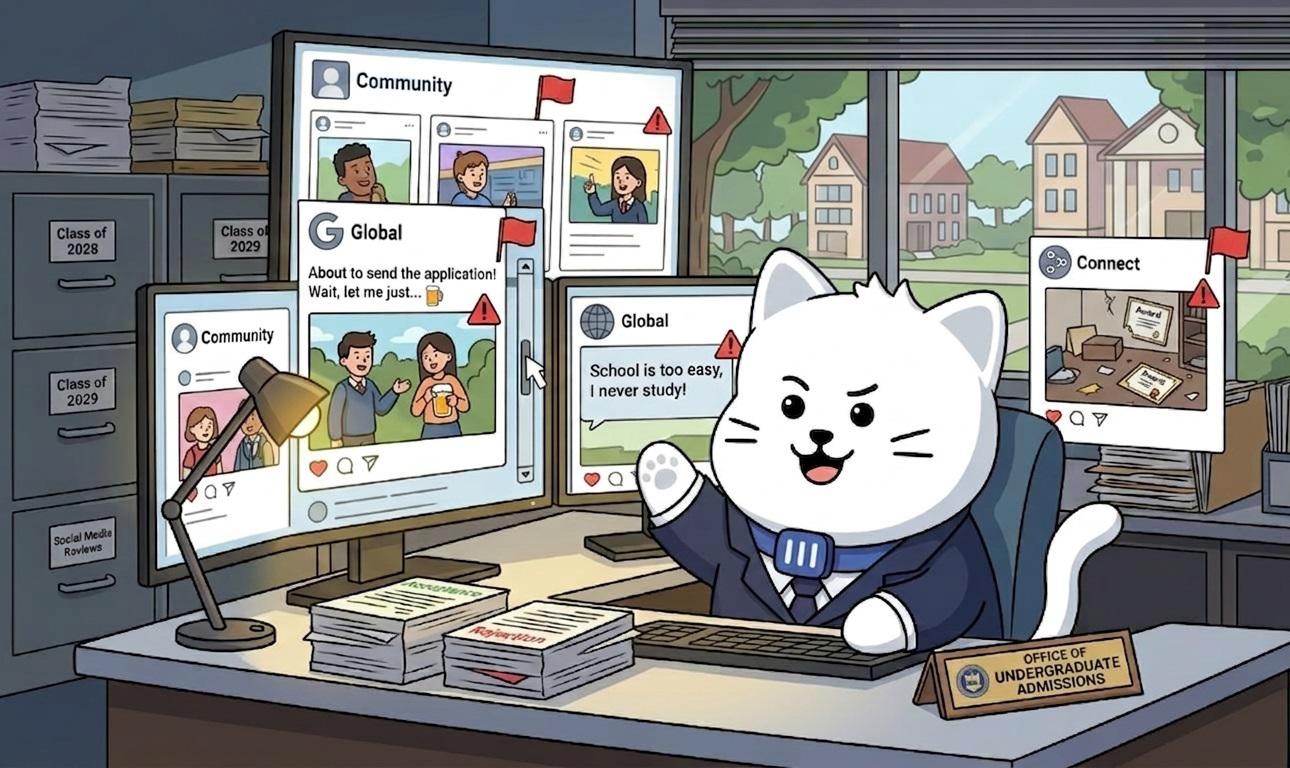
On this page
College Admissions & Your Digital Footprint
College applications already put students under a microscope. Grades, essays, recommendations, activities, test scores, and interviews all get reviewed very closely.
But social media adds a different kind of worry to the mix. The question for applicants goes beyond whether colleges can look at Instagram, TikTok, Reddit, X, YouTube, or old Facebook posts. They want to know how likely it is that anyone in admissions will actually check.
The realistic answer is: probably not for every applicant, but it does happen.
Most admissions officers are not digging through every applicant’s social media history. They usually do not have the time. But public posts can still become part of the admissions conversation, especially if something is reported, screenshotted, shared widely, or serious enough to raise concerns about judgment, safety, honesty, harassment, or hate speech.
If one of the admissions officers has taken a special interest in you, it raises the chances they will do some extra digging. Reasons for extra digging could be anything, really. Were you a star athlete in high school? Are one or both of your parents notable for something? Have you been in the news recently? You could even be an attractive guy or gal that one of the admissions offers takes a liking to. Literally anything could trigger a deeper dive.
Why social media cleanup matters for college applicants
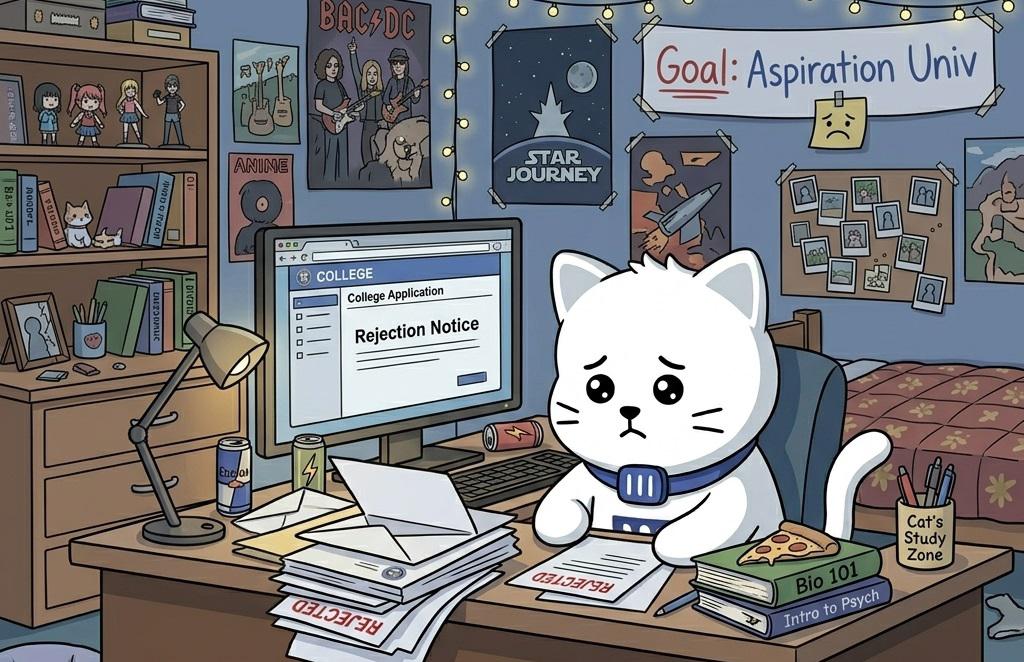
For most applicants, admissions teams are focused on the application itself: transcripts, essays, recommendations, activities, portfolios, interviews, and other required materials. Social media is not always part of a standard review.
Still, public online content is not invisible.
A Kaplan survey of college admissions officers found that many admissions professionals consider social media fair game, even though far fewer say they actually check applicants’ profiles. That gap matters. It means students should not assume every post is being reviewed, but they also should not assume public content is irrelevant.
How social media can end up in admissions review
A college does not need to run a deep investigation for social media to become relevant. Public posts can reach admissions teams in several normal ways.
- Direct search An admissions officer, coach, program director, or scholarship reviewer searches the applicant’s name.
- Reported content A classmate, parent, teacher, former friend, or anonymous person sends the school a screenshot.
- Viral attention A post spreads beyond its original audience and becomes hard for the school to ignore.
- Application mismatch Public content appears to contradict something the student claimed in an essay, activity list, or interview.
- Safety concern A post includes threats, harassment, bullying, or other content that raises conduct questions.
- Recruiting review A coach, department, or selective program checks a public profile before supporting the applicant.
This goes beyond college admissions. Social media screening has also become part of other high-stakes review processes, including U.S. visa social media checks, where applicants may be asked to disclose social handles as part of screening.
Can social media affect college admissions?
Yes, unfortunately social media can affect your chances of being accepted.
Usually, the issue is not one normal teenage post or an account that looks imperfect. The bigger risks are posts that make a school question whether the applicant is honest, respectful, safe, or ready to join a campus community.
Content that can create problems These are the types of posts, comments, screenshots, or old content that can raise red flags during a review.
- Racist or hateful posts Can raise serious conduct concerns and make a school question whether the student can participate safely in a campus community.
- Bullying or harassment May suggest risk to other students, especially when the content targets a specific person or group.
- Threats or violent language Even jokes can be taken seriously when they mention harm, violence, weapons, or threats toward others.
- Cheating or academic dishonesty Directly affects trust in the applicant and can make admissions staff question the integrity of the application.
- Illegal or dangerous behavior Can raise questions about judgment, safety, maturity, and whether the student may create problems on campus.
- Posts that contradict the application Can make the student look dishonest, careless, or inconsistent with the story presented in essays and activities.
Context always matters. A college may look at when the post was made, what was said, whether it targeted someone, whether the student has shown growth, and how serious the content is.
But students should not assume that old posts are harmless just because they were made years ago.
Can your college admission be revoked for social media?
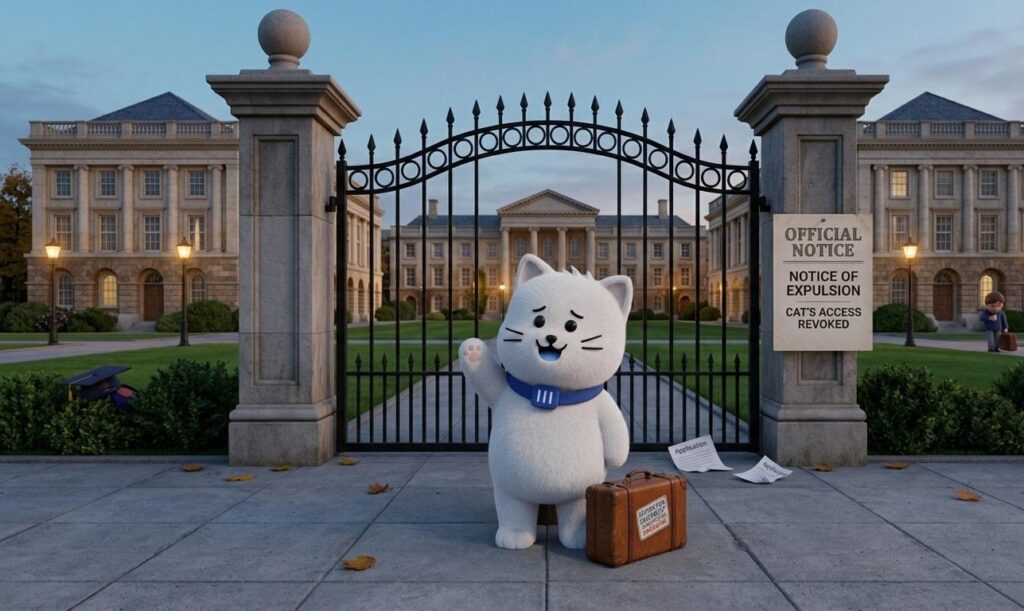
Yes. A college can revoke admission over social media posts, especially when the content is serious.
An admission offer is usually conditional. Schools often reserve the right to withdraw an offer if new information comes up that affects a student’s conduct, academic record, honesty, or ability to meet campus standards.
This can happen before a student enrolls. In some cases, it can happen after a student has already committed.
One widely reported example came from Harvard, where the university rescinded offers to at least ten admitted students after offensive messages and memes surfaced from a private Facebook group.
Higher-risk content
Posts most likely to cause real consequences
These categories are more likely to create admissions consequences because they touch on safety, conduct, honesty, or campus standards.
- Hate speech Racist, discriminatory, or targeted content that points to serious conduct concerns.
- Harassment Bullying, threats, stalking, sexual harassment, or posts meant to humiliate another person.
- Dishonesty Cheating, fraud, fake credentials, plagiarism, or public posts that undermine the application.
- Dangerous behavior Illegal activity, threats, violence, or conduct that creates safety concerns for the school.
How to clean up social media before applying to college
Students do not need to delete their entire personality from the internet. The goal is to make sure public content does not create unnecessary risk.
Before applying, students should review their online footprint with fresh eyes. For a broader cleanup process, Redact also has a guide on how to reduce your online presence across old accounts, posts, comments, usernames, and public profiles.
Cleanup plan
Basic cleanup checklist
A cleanup should focus on what is public, searchable, tagged, screenshotted, or easy to connect back to the applicant.
- Start with a basic search Search full name, nicknames, old usernames, email address, school name, team names, club names, and activity names.
- Review public profiles Check Instagram, TikTok, X, Facebook, Reddit, Threads, Discord communities, old blogs, and forums.
- Look past the posts Review comments, replies, reposts, bios, usernames, tagged photos, tagged videos, and public likes where visible.
- Remove obvious risks Delete, archive, untag, or hide content involving hate speech, bullying, threats, harassment, cheating, illegal activity, or cruel jokes.
Can social media help an application?
Well, just as social media posts can hurt you, they can also sometimes help you.
A public online presence is not always a problem. For some students, it can support the story they are already telling in their application.
Social media can show creative work, sports highlights, volunteer projects, leadership, writing, music, photography, coding projects, small business experience, or community involvement.
The goal is not to look fake or overly polished. The goal is to make sure the public version of the student does not undermine the application they worked hard to build.
Better safe than sorry!
Colleges probably are not reading every applicant’s social media history. But public posts can still affect your admission chances.
A post can be found by an admissions officer, sent in by someone else, reviewed by a coach, flagged by a scholarship committee, or even resurfaced after the student has already been accepted.
That makes social media cleanup a smart part of the college application process.
Not because students need to erase who they are, but because old posts, forgotten comments, tagged photos, abandoned accounts, and screenshots can tell a story they no longer want attached to their name.