Aura’s 900K-Record Data Breach Proves the Best Data Protection Is Local Deletion
 Dan Saltman8 min read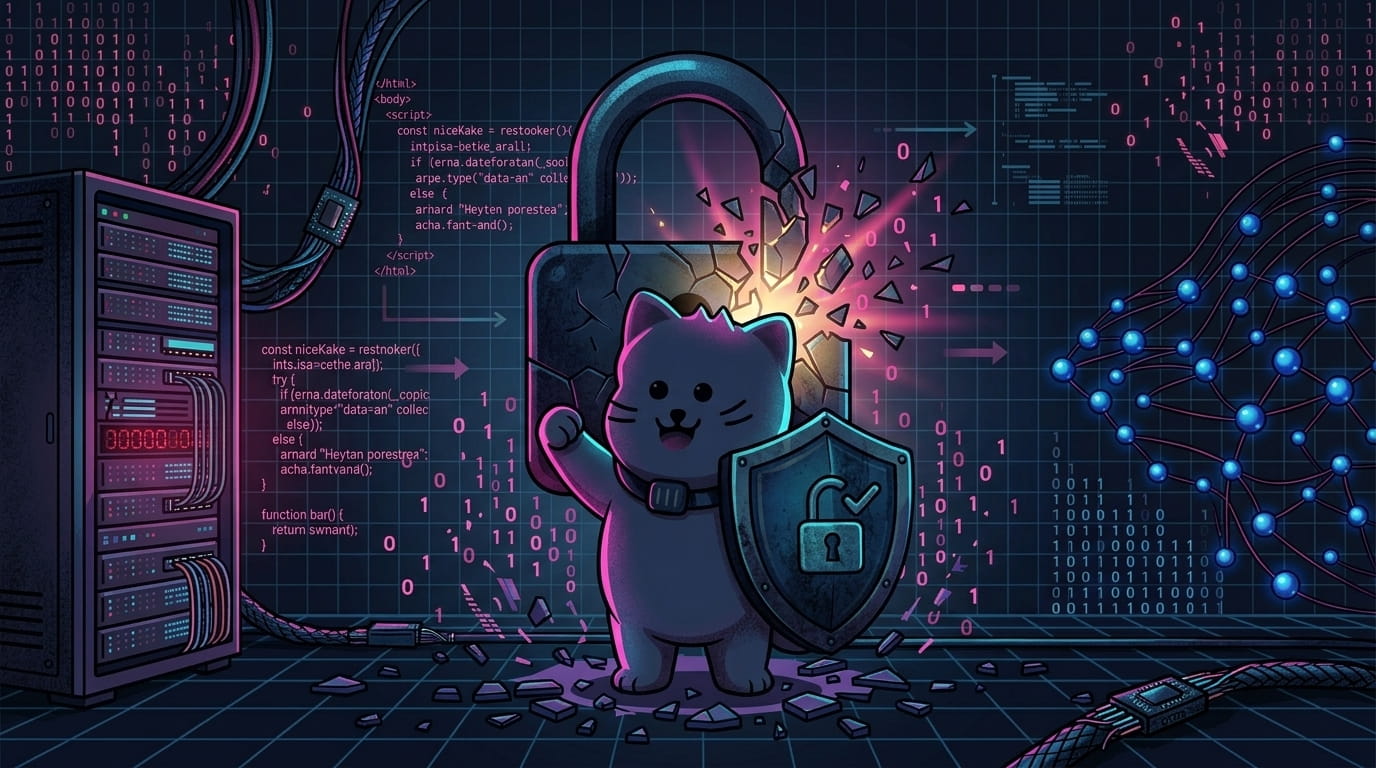
On this page
An identity protection company just had 900,000 records stolen from a database it didn’t even know it needed to worry about. The breach raises an uncomfortable question about the entire “collect your data to protect it” model.
What Happened in the Aura Data Breach?
In March 2026, identity protection company Aura confirmed that an unauthorized party accessed approximately 900,000 records after a targeted voice phishing (vishing) attack on a single employee.
The attacker gained access to the employee’s account for roughly one hour before Aura’s team detected the intrusion and shut it down.
The stolen data included names, email addresses, phone numbers, home addresses, IP addresses, and customer service comments, according to Have I Been Pwned (HIBP), which added the breach to its database.
The threat group ShinyHunters claimed responsibility. After Aura declined to pay a ransom, ShinyHunters published the stolen data on their leak site.
Who Was Affected by the Aura Breach?
Most of the 900,000 records didn’t belong to Aura customers at all.
According to Aura’s official statement, the vast majority of exposed records were names and email addresses stored in a marketing tool inherited from a company Aura acquired in 2021.
Here’s the breakdown:
- Fewer than 20,000 active Aura customers had contact information exposed
- Fewer than 15,000 former Aura customers were affected
- The remaining ~865,000+ records were marketing contacts from the acquired company
- No Social Security numbers, passwords, or financial data were compromised
Aura confirmed that no database supporting its core identity theft protection application was accessed. The stolen data came entirely from a legacy marketing list that had been sitting on a server for five years.
The Real Problem: Storing PII on Servers Creates the Risk
After Aura detected the breach, they revoked access, activated their incident response plan, brought in external cybersecurity and legal experts, and notified law enforcement.
But speed doesn’t change the underlying problem. A forgotten marketing database from a five-year-old acquisition was sitting on a server, full of personal information, with no one actively thinking about it. One phone call to the wrong employee, and all of it walked out the door.
This is the fundamental flaw in the “collect your data to protect it” model that identity monitoring and data broker removal services rely on. These services ask you to hand over your most sensitive personal information, your name, email, phone number, home address, sometimes even your Social Security number, so they can monitor it or submit removal requests on your behalf.
That information then lives on their servers. It becomes another target. Another database that could be breached, inherited through an acquisition, or forgotten about for years.
The Aura breach is a textbook example. The company’s core security worked as designed. But data that had been collected, stored server-side, and then passed along through a corporate acquisition still ended up in the hands of attackers.
Why 90% of the Leaked Data Was Already Exposed
Here’s the detail that makes the structural problem impossible to ignore.
When HIBP analyzed the Aura breach data, they found that 90% of the leaked email addresses were already in their database from previous, unrelated breaches.
Nine out of ten people in this dataset had already been exposed elsewhere. Aura’s inherited marketing database just gave attackers a fresh, consolidated copy with names, phone numbers, home addresses, and IP addresses attached.
This is how server-side data storage compounds your risk over time. One breach leaks your email. Another adds your phone number. A third attaches your home address. Each breach on its own might seem minor. Together, they build a detailed profile that makes phishing attacks, identity theft, and social engineering significantly more effective.
Every company that stores your PII on their servers, even with the best intentions, is adding another node to this web of exposure.
Why Privacy Tools Should Not Store Your Data
The Aura breach highlights a design problem that runs through much of the consumer privacy industry.
Many data broker removal services, identity monitoring platforms, and digital privacy tools require you to upload your personal information to their servers. They need your data to do their job, whether that’s scanning dark web databases, filing opt-out requests with brokers, or monitoring your credit.
But this creates a contradiction. You’re handing sensitive data to a company to protect your sensitive data. And if that company gets breached, acquired, or simply forgets to clean up an old database, your information is exposed all over again.
The alternative is a local-first approach, where privacy tools operate on your device and never send your data to an external server.
This is how Redact works. When you use Redact to delete old social media posts, messages, or other content, everything happens locally on your machine. Redact cannot see, store, or interact with your data. Your login credentials are handled directly by each platform. There are no servers holding your personal information. No databases to inherit through an acquisition.
Monitoring Is Reactive. Deletion Is Proactive.
Identity monitoring services serve a purpose. They scan dark web databases, flag suspicious credit activity, and alert you when your information appears in a new breach. That’s genuinely useful.
But monitoring is reactive by design. It tells you about damage after it happens. It can’t undo exposure, and it can’t prevent your data from being aggregated across dozens of different breaches over time.
Deletion takes the opposite approach. Instead of watching for your data to appear in the next breach, you reduce the amount of data that exists about you in the first place.
Every old social media post, every forgotten account, every comment on a forum you haven’t visited in years is a database entry on a server somewhere. That entry could be part of the next breach. Removing it eliminates that risk entirely.
This doesn’t mean you should abandon monitoring. It means monitoring alone isn’t enough. The strongest approach combines monitoring with active deletion, and it uses tools that don’t create new exposure in the process.
What to Do if You Were Affected by the Aura Breach
If you think your data was part of the Aura breach, here are the most important steps to take now.
Check Have I Been Pwned. Visit haveibeenpwned.com and enter your email address to see if it was included in this breach or any others.
Watch for phishing attempts. With names, emails, phone numbers, and home addresses exposed, affected individuals should be on high alert for scam calls, texts, and emails. Be especially wary of anything referencing Aura, identity protection, or account security. Don’t click links or share information with unsolicited contacts.
Clean up your digital footprint. The 90% overlap stat from HIBP shows that most of this data was already circulating from prior breaches. Reducing the personal information that exists about you online is the most effective way to limit your exposure going forward. Redact lets you bulk delete posts, messages, likes, and more across 35+ platforms with filters for dates, keywords, and content types. Redact’s digital footprint guide walks through the full process.
Audit your privacy tools. Ask a simple question about every privacy service you use: does this company store my personal data on their servers? If the answer is yes, that data is a target. Look for alternatives that operate locally on your device.
The Takeaway
The Aura breach isn’t a story about one company failing. It’s a case study in why the “give us your data so we can protect it” model is structurally flawed.
A marketing database from a 2021 acquisition sat on a server for five years. Nobody deleted it. When an attacker got in for just one hour, 900,000 people’s information walked out the door.
If the data had been deleted, there would have been nothing to steal. If the tools processing that data had operated locally instead of server-side, there would have been no centralized database to target.
You can’t control what companies do with your data after they collect it. But you can control what you put out there, you can go back and remove what’s already there, and you can choose privacy tools that don’t store your information on their servers in the first place.
Download Redact and start cleaning up your digital footprint today. It runs locally on your device. We can’t see your data, and we don’t want to.