The Government Is Demanding Your Identity From Big Tech – What You Need to Know About Your Digital Footprint
 Dan Saltman9 min read
On this page
The Department of Homeland Security has sent hundreds of administrative subpoenas to Google, Meta, Reddit, and Discord over recent months, demanding the real-world identities behind anonymous social media accounts. Targets may include Americans who have posted about, commented on, or tracked Immigration and Customs Enforcement operations in their communities.
First reported by The New York Times on February 14, 2026, and covered extensively by The Daily Beast, TechCrunch, The Verge, and others, this pattern has ignited a national debate about how much of your identity is actually protected by a username and an anonymous account.
For anyone who has ever assumed their social media posts are private, or that anonymity shields them from scrutiny, this is a wake-up call. Not just about immigration policy, but about the reality of how your digital footprint works, and how little stands between your online activity and anyone who wants to connect it to your real name.
What Happened
DHS issued administrative subpoenas; a type of legal demand that, unlike a warrant, does not require a judge’s approval before being sent. The subpoenas targeted accounts across multiple platforms that had posted content related to ICE, including community pages sharing enforcement updates, individuals commenting on operations, and accounts critical of government immigration policy.
Among the known targets was Montco Community Watch, a bilingual Facebook and Instagram page that posted alerts about ICE sightings in Montgomery County, Pennsylvania. After Meta notified the account holders of the subpoena, the ACLU of Pennsylvania intervened and filed a motion to block it in federal court. DHS ultimately withdrew the request before a ruling was issued.
In a separate case reported by TechCrunch and The Washington Post, a retired U.S. citizen sent a polite email to a federal attorney involved in a high-profile asylum case. Within hours, DHS issued a subpoena to Google seeking the retiree’s session logs, IP address, physical address, and every Google service used; as well as identifying details including credit card numbers, driver’s license, and Social Security number. Weeks later, federal agents appeared at his home. The agents acknowledged the email broke no laws.
The Electronic Frontier Foundation and the ACLU of Northern California subsequently published an open letter urging Amazon, Apple, Discord, Google, Meta, Microsoft, Reddit, Snap, TikTok, and X to resist these subpoenas and to insist on court intervention before complying. The Foundation for Individual Rights and Expression (FIRE) has also filed a separate legal complaint accusing federal officials of coercing platforms into removing content about ICE operations.
Why This Matters for Everyone: Not Just Activists
It would be easy to read this story and think it only applies to people who run community watch pages or attend protests. That would be a mistake.
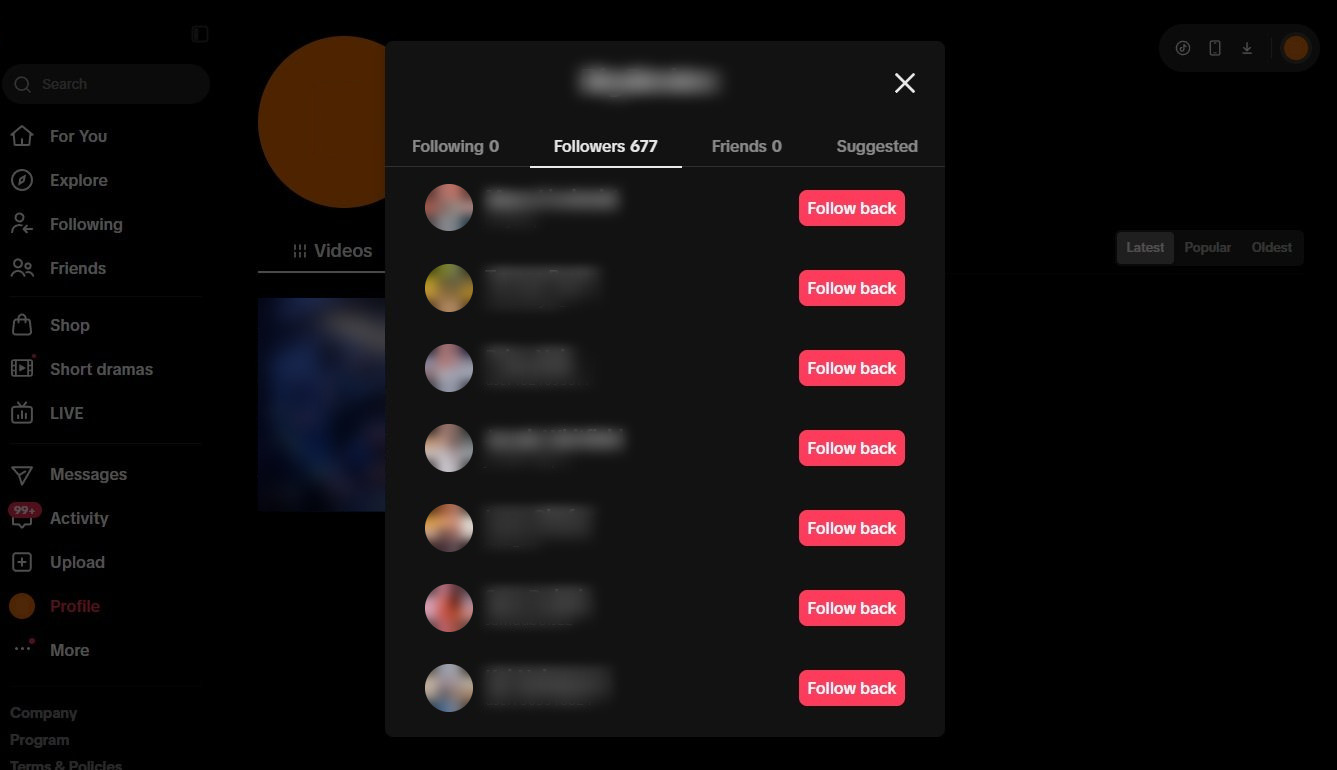
The mechanisms used (administrative subpoenas sent directly to tech platforms) can be used to request identifying information tied to any account. That includes your name, email address, phone number, IP address, session times, and in some cases, payment information and device identifiers. The platforms you use every day hold an extraordinary amount of data about you, and as this story demonstrates, that data can be requested by government agencies without a judge ever reviewing the demand.
This is not a hypothetical risk. It is happening now, at scale.
And the targets are not limited to a narrow political context. As we have written about previously, governments around the world have increasingly used social media auditing as a tool for screening visa applicants, monitoring dissent, and building profiles of individuals based on their online activity. The surveillance tools available to federal agencies (including platforms like ShadowDragon’s SocialNet, which monitors over 200 social platforms) mean that public posts, comments, and likes can be aggregated into a comprehensive dossier without any subpoena at all.
Even when you use an anonymous account, the platform itself may hand over your real identity under legal pressure.
How Tech Companies Have Responded
The responses from the companies involved have been inconsistent. According to reporting from The New York Times, Engadget, and TechCrunch; Google, Meta, and Reddit have all complied with at least some of the DHS subpoena requests. Google stated that its review process is meant to protect user privacy while meeting legal obligations, and that it notifies users when their accounts have been subpoenaed; though there are documented cases where notification came too late for the user to mount a legal challenge.
Meta notified the Montco Community Watch account holders and gave them approximately 10 to 14 days to challenge the subpoena in court before the company would release their data. Discord and Reddit have been less transparent about their handling of the requests.
The EFF has argued that companies should require court intervention before complying with any DHS administrative subpoena, given that the agency has repeatedly withdrawn requests when challenged; suggesting that many of these demands may not survive judicial scrutiny.
The inconsistency across platforms matters. Your privacy on any given platform depends in part on that company’s willingness to push back; and that willingness varies widely.
What This Means for Your Digital Privacy
The uncomfortable truth at the center of this story is that your digital footprint is significantly larger than most people realize, and the entities that can access it extend far beyond hackers and data brokers.
- Every post you’ve ever made on Facebook, Reddit, X, Instagram, or Discord is stored by that platform.
- Every comment, like, reaction, DM, and group membership is part of your account data.
- Even if you delete a post from your feed, the platform may retain a record of it in its backend systems for some period of time.
Evidently, all of that data can be subpoenaed and handed over to other parties.
The First Amendment protections for anonymous speech have deep roots in American law, and organizations like the ACLU and EFF are fighting to ensure those protections hold. But legal rights and practical exposure are two different things. Your right to speak anonymously does not change the fact that platforms hold (and can be compelled to release) the data linking your anonymous account to your real identity.
Managing your digital footprint is a practical step anyone can take to reduce the amount of personal data that exists about them online. This applies regardless of your political views, your stance on immigration policy, or whether you’ve ever posted about law enforcement. It applies if you’ve ever said anything online that you wouldn’t want a future employer, an ex-partner, a data broker, or a government agency to read.
What You Can Do
Reducing your digital footprint is not about hiding. It’s about exercising the same kind of data hygiene that security professionals have recommended for years. Just as you’d shred old financial documents rather than leaving them in an unlocked filing cabinet, managing your social media history is a sensible precaution now that the data can be accessed in ways most people don’t expect.
Here are practical steps you can take right now.
Audit your social media accounts. Go through your accounts on every platform you’ve ever used. Look at your post history, your comments, your likes, your group memberships. Ask yourself whether each piece of content still represents something you want tied to your identity; because functionally, it is.
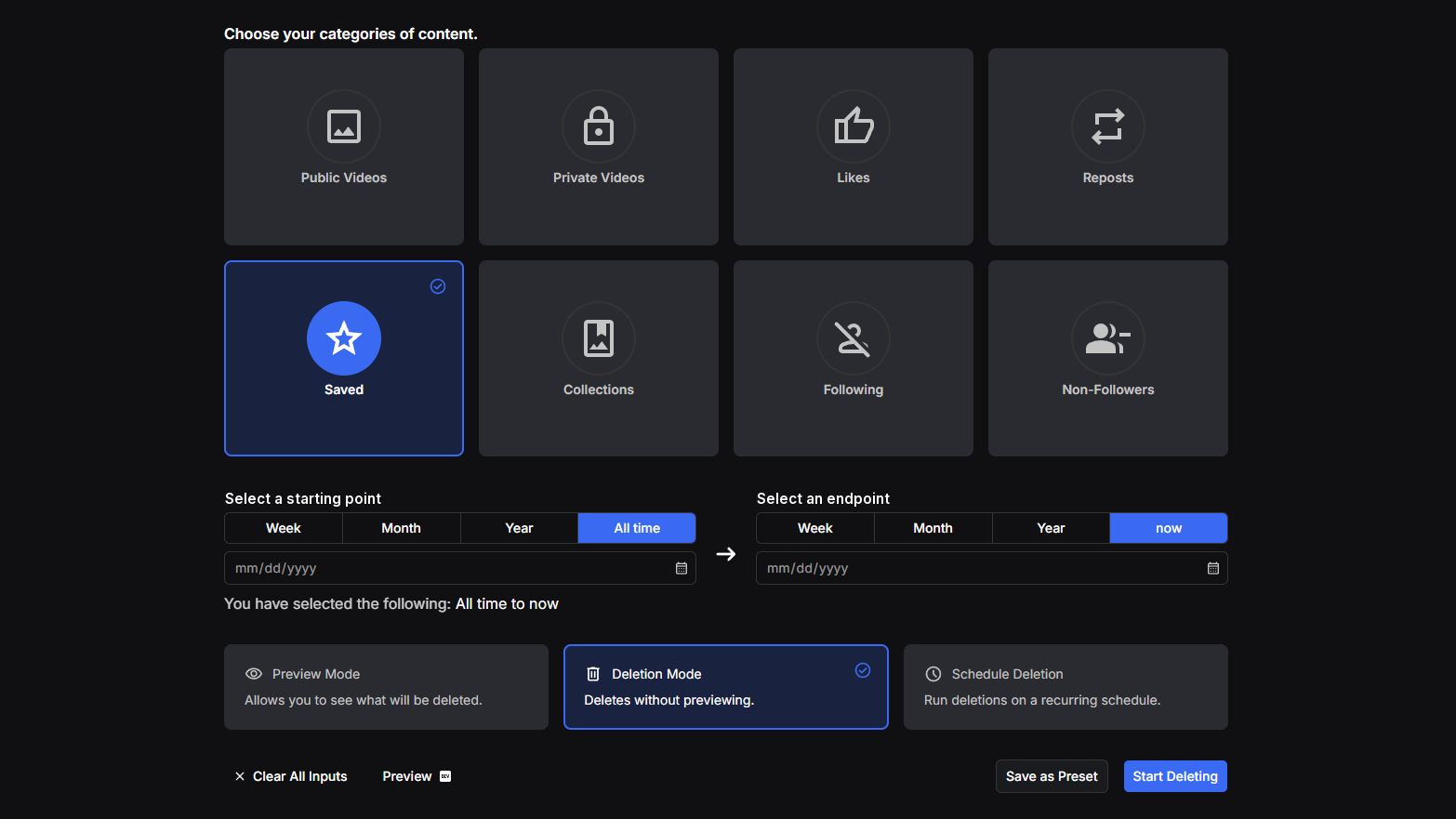
Remove content you no longer need. Old posts, comments, and messages accumulate over years of use. Most of this content serves no ongoing purpose but remains accessible to the platform, to data brokers, and to anyone who compels the platform to hand it over. Deleting this content reduces the surface area of data that exists about you. Redact helps you do this across all major social media platforms; from Facebook and Reddit to Discord and X/Twitter.
Review your privacy settings. Platform privacy settings control who can see your posts, but they do not prevent the platform itself from storing your data or responding to legal demands. They’re a useful first layer, but not a complete solution.
Think before you post. The simplest and most effective privacy measure is to be deliberate about what you share. Consider whether a post needs to be public, whether it needs to include identifying details, and whether you’d be comfortable with it being attributed to you in any context.
Stay informed. Privacy laws and government data practices are evolving rapidly. We’ve covered the risks of government encryption backdoor demands, and the wider state of global privacy legislation. Understanding the terrain is the first step to navigating it.
The Bigger Picture
The DHS subpoena campaign is part of a broader pattern in which the line between public social media activity and government oversight continues to blur. As we’ve written before, the tools available to federal agencies for social media monitoring are far more powerful than most people realize. Platforms like SocialNet aggregate data across hundreds of sites to build detailed profiles of individuals. And as the EFF, ACLU, and FIRE are now arguing in court, the use of administrative subpoenas to unmask anonymous accounts represents a significant expansion of those capabilities.
None of this is a reason to stop using the internet. But it is a reason to take your digital footprint seriously. You should understand what data exists about you, where it lives, and who can access it. Even if you have good intentions, context changes over time, and something you posted 5 years ago may no longer reflect how you want to represent yourself online today. Managing your social media history proactively is one of the most practical things you can do to protect your privacy.
Redact is a privacy-focused tool that helps you bulk-delete your social media content across all major social platforms. It runs locally on your device, never stores your data, and gives you control over what stays and what goes. Learn more about how Redact works or get started for free.